




What is the difference between cast iron and steel v belt pulleys?
 Feb 26, 2026|
 Hey there! As a supplier of V belt pulleys, I often get asked about the differences between cast iron and steel V belt pulleys. So, I thought I'd write this blog to break it down for you in a simple and easy - to - understand way.
Let's start with the basics. V belt pulleys are essential components in many power transmission systems. They're used to transfer power from one shaft to another using V - shaped belts. And the choice between cast iron and steel pulleys can have a big impact on how well your system works.
Cast Iron V Belt Pulleys
First off, let's talk about cast iron pulleys. Cast iron is an alloy that's mainly made up of iron, carbon, and silicon. It's been a popular choice for making pulleys for a long time, and there are good reasons for that.
One of the biggest advantages of cast iron pulleys is their cost - effectiveness. Making cast iron pulleys is relatively inexpensive compared to steel ones. The casting process used to make them is well - established and doesn't require a lot of high - tech equipment. This means that if you're on a tight budget, cast iron pulleys can be a great option.
Cast iron also has excellent damping properties. What does that mean? Well, it can absorb vibrations. In a power transmission system, vibrations are common, and if they're not controlled, they can lead to wear and tear on the belts and other components. Cast iron pulleys can help reduce these vibrations, which in turn can extend the lifespan of the belts and make the whole system run more smoothly.
Another plus is that cast iron has good corrosion resistance. It can withstand exposure to moisture and some chemicals without getting rusted or damaged too quickly. This makes it suitable for use in a variety of environments, including those with a bit of humidity.
However, cast iron is also quite brittle. It doesn't handle shock loads very well. If there's a sudden impact or a high - stress situation, a cast iron pulley might crack or break. So, if your system is likely to experience a lot of shock or high - stress operations, you might want to think twice about using cast iron pulleys.
If you're interested in cast iron pulleys, you can check out our Cast Iron Pulley page.
Steel V Belt Pulleys
Now, let's move on to steel pulleys. Steel is an alloy of iron and carbon, and it comes in different grades. Steel pulleys have some unique characteristics that set them apart from their cast iron counterparts.
The most obvious advantage of steel pulleys is their strength. Steel is much stronger and more ductile than cast iron. This means that it can handle higher loads and shock forces without breaking. If your power transmission system is operating under heavy - duty conditions, such as in industrial machinery or large - scale manufacturing plants, steel pulleys are often the better choice.
Steel pulleys also have a higher fatigue resistance. In a system where the pulleys are constantly rotating and under stress, fatigue can be a big problem. Over time, repeated stress can cause cracks to form in the pulley material. But steel's high fatigue resistance means it can withstand these repeated stresses for a longer period, reducing the need for frequent replacements.

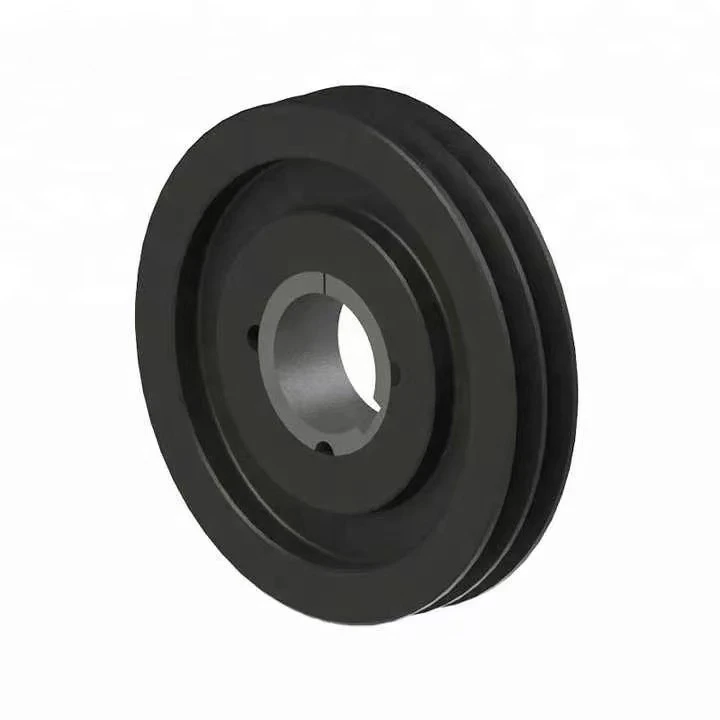
Another benefit is that steel can be easily machined. This allows for more precise manufacturing of the pulleys. You can get steel pulleys with very accurate dimensions and smooth surfaces, which is crucial for proper belt engagement and efficient power transmission.
However, steel pulleys do have a few drawbacks. They're generally more expensive than cast iron pulleys. The manufacturing process for steel pulleys often involves more steps and higher - quality materials, which drives up the cost. Also, steel is more prone to corrosion compared to cast iron, especially if it's not properly treated or coated.
Comparing the Two
When comparing cast iron and steel V belt pulleys, it really boils down to your specific needs. If you have a small - scale operation with a limited budget and the system doesn't experience a lot of shock or heavy loads, cast iron pulleys might be your best bet. They offer good value for money and can do the job well in many common applications.
On the other hand, if you're dealing with a high - performance, heavy - duty system where strength and durability are crucial, steel pulleys are the way to go. Yes, they cost more, but the extra investment is often worth it in the long run because of their ability to handle difficult working conditions.
Application Considerations
Let's look at some specific applications to see how these differences play out. In a simple home workshop, for example, where you're using a small belt - driven machine like a drill press or a band saw, cast iron pulleys can work just fine. The loads are relatively light, and the cost savings can be significant.
But in an industrial factory, say a car manufacturing plant where large conveyor belts and high - power machinery are in use, steel pulleys are a must. The heavy loads, high - speed operations, and constant stress require the strength and durability that only steel can provide.
Our Product Range
We offer a wide range of both cast iron and steel V belt pulleys to meet different customer needs. If you're looking for a single - groove pulley for a simple setup or a Dual Groove Belt Pulley for more complex power transmission, we've got you covered. And if you need an Industrial V Groove Pulley for heavy - duty industrial applications, we can supply high - quality steel pulleys that are built to last.
Making the Right Choice
In the end, the decision between cast iron and steel V belt pulleys comes down to a few key factors: your budget, the load requirements of your system, the operating environment, and the expected lifespan of the pulleys. It's important to carefully evaluate these factors before making a purchase.
If you're still not sure which type of pulley is right for you, don't hesitate to reach out. We have a team of experts who can help you analyze your needs and recommend the best solution. Whether you're a small business owner or a large - scale industrial operator, we're here to assist you in getting the most suitable V belt pulleys for your power transmission system.
So, are you ready to make the right choice for your project? Contact us today to start the procurement process and discuss your specific requirements. We're looking forward to working with you!
References
- "Mechanical Design of Machine Elements and Machines: A Failure - Prevention Perspective" by Juvinall and Marshek
- "Power Transmission Handbook" published by various industry experts