




What is the difference between a cast iron pulley and an aluminum pulley?
 Aug 27, 2026|
 When it comes to power transmission systems, pulleys play a crucial role in transferring power from one component to another. Two commonly used materials for pulleys are cast iron and aluminum. As a Cast Iron Pulley supplier, I have in - depth knowledge of the differences between these two types of pulleys, which I'll share in this blog.
Material Properties
Cast Iron Pulley
Cast iron is an alloy mainly composed of iron, carbon, and silicon. It has several notable properties that make it suitable for pulley applications. First, cast iron has high strength and durability. It can withstand heavy loads and high - stress conditions without deforming easily. This makes cast iron pulleys ideal for industrial applications where large amounts of power need to be transmitted, such as in heavy - duty machinery, manufacturing plants, and mining operations.
Second, cast iron has good vibration damping properties. When the pulley is in operation, it can reduce the amount of vibration generated, which helps to extend the lifespan of the pulley and other components in the power transmission system. Moreover, cast iron has excellent wear resistance. The surface of a cast iron pulley can resist abrasion caused by the friction of the belt, ensuring a long - term reliable operation.
Aluminum Pulley
Aluminum is a lightweight metal with a low density. This is one of its most significant advantages. Aluminum pulleys are much lighter than cast iron pulleys, which makes them easier to install and handle. In applications where weight is a critical factor, such as in automotive engines or aerospace equipment, aluminum pulleys are often the preferred choice.
Aluminum also has good corrosion resistance. It forms a thin oxide layer on its surface when exposed to air, which protects the underlying metal from further corrosion. This property makes aluminum pulleys suitable for use in environments where they may be exposed to moisture or chemicals. However, aluminum has relatively lower strength compared to cast iron. It may not be able to handle extremely heavy loads as well as cast iron pulleys.
Manufacturing Process
Cast Iron Pulley
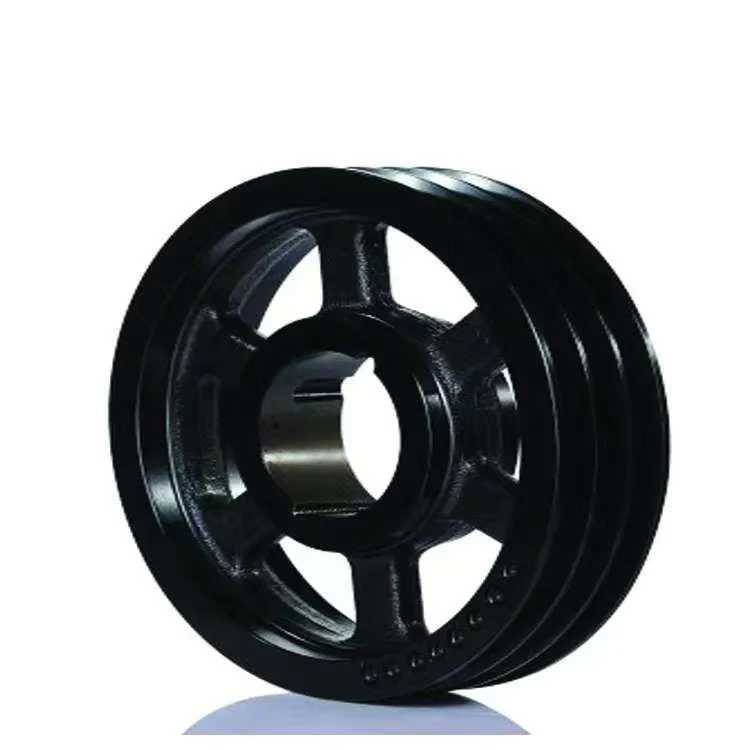
The manufacturing process of cast iron pulleys typically involves casting. Molten cast iron is poured into a mold with the desired pulley shape. After the iron solidifies, the pulley is removed from the mold and may undergo further machining processes, such as turning, milling, and drilling, to achieve the required dimensions and surface finish. The casting process allows for the production of complex shapes and sizes of pulleys. For example, Cast Iron Pulley can be made with various groove profiles to accommodate different types of belts.
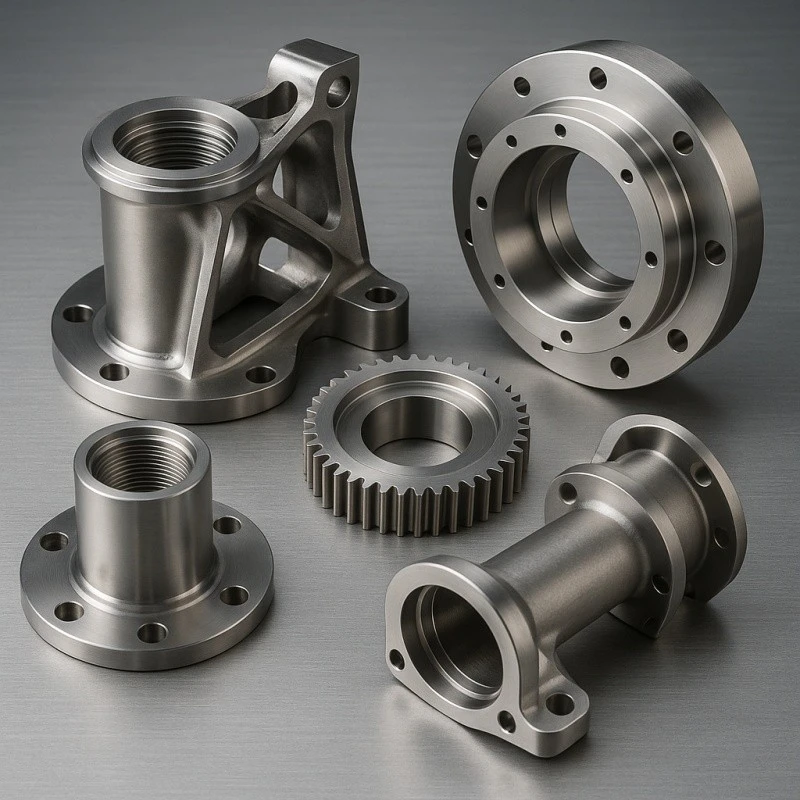
Aluminum Pulley
Aluminum pulleys can be manufactured through several methods. One common method is die - casting, where molten aluminum is injected into a die under high pressure. This process can produce pulleys with high precision and good surface finish. Another method is machining from solid aluminum blocks. This approach allows for more flexibility in design and can produce pulleys with complex features. For instance, Machined Pulley With Keyway can be precisely machined to ensure a proper fit with the shaft.
Performance in Power Transmission
Cast Iron Pulley
Due to its high strength and durability, cast iron pulleys can transmit large amounts of power efficiently. They can handle high - torque applications without slipping. The heavyweight of cast iron pulleys also provides better inertia, which helps to maintain a smooth and stable power transmission. In applications where a constant and reliable power transfer is required, such as in conveyor systems or large - scale industrial motors, cast iron pulleys are a reliable choice.
Aluminum Pulley
Aluminum pulleys are more suitable for applications that require high - speed operation. Their lightweight nature reduces the rotational inertia, allowing the pulley to accelerate and decelerate quickly. This makes them ideal for use in high - speed machinery, such as electric fans or some automotive components. However, because of their lower strength, they may not be suitable for applications with extremely high torque requirements.
Cost Considerations
Cast Iron Pulley
The raw material cost of cast iron is relatively low compared to aluminum. The manufacturing process of cast iron pulleys is also well - established and cost - effective, especially for large - scale production. However, the weight of cast iron pulleys may increase transportation costs. In addition, if the pulley needs to be machined to a high precision, the machining cost may add up.
Aluminum Pulley
Aluminum is generally more expensive than cast iron in terms of raw material cost. The manufacturing processes for aluminum pulleys, such as die - casting or precision machining, can also be relatively costly. However, the lightweight of aluminum pulleys can reduce transportation costs, and in some cases, the savings in installation and handling costs may offset the higher initial cost.
Applications
Cast Iron Pulley
Cast iron pulleys are widely used in industrial settings. They are commonly found in manufacturing plants, where they are used in conveyor systems, machine tools, and power generation equipment. Their ability to handle heavy loads and high - stress conditions makes them suitable for these demanding applications. For example, in a steel mill, cast iron pulleys are used to drive the large rollers that shape the steel. Dual Groove Belt Pulley made of cast iron can be used to transmit power to multiple components simultaneously.
Aluminum Pulley
Aluminum pulleys are popular in automotive, aerospace, and consumer electronics industries. In the automotive industry, they are used in engines, alternators, and air - conditioning systems. Their lightweight helps to improve fuel efficiency and reduce the overall weight of the vehicle. In aerospace applications, aluminum pulleys are used in various control systems due to their low weight and corrosion resistance.
Conclusion
In summary, cast iron pulleys and aluminum pulleys have their own unique characteristics and advantages. Cast iron pulleys are strong, durable, and suitable for heavy - duty applications, while aluminum pulleys are lightweight, corrosion - resistant, and ideal for high - speed and weight - sensitive applications.
If you are in need of high - quality cast iron pulleys for your industrial or commercial applications, I invite you to contact me for more information. We can discuss your specific requirements and find the best pulley solutions for your needs. Whether you need standard pulleys or custom - made ones, we have the expertise and resources to meet your demands.
References
- ASM Handbook Committee. (2008). ASM Handbook Volume 15: Casting. ASM International.
- Callister, W. D., & Rethwisch, D. G. (2014). Materials Science and Engineering: An Introduction. Wiley.
- Machinery's Handbook (30th Edition). Industrial Press Inc.