Quality Control
Our foundry strictly adheres to the ISO 9001 quality management system, and all products are certified to international standards such as CE and TUV.
Advanced Equipment
We are equipped with a comprehensive range of processing equipment, including CNC machining centers, lathes, drilling machines, grinders, fully automatic molding machines, advanced machining centers, surface treatment lines, assembly lines, and packaging lines.
Customization
We have a comprehensive foundry process and can provide customized production based on customer-provided technical drawings or samples. Through a variety of process methods, we can achieve different casting effects and standards (OEM or ODM) to meet our customers' individual needs.
Extensive Experience
With over 15 years of industry experience, all our processing technicians are professionally trained and have extensive practical experience, enabling them to complete various processing tasks efficiently and accurately. Our production team has an average length of service of over 6 years, and our annual production capacity reaches 100,000 tons.
|
Product name |
Forging Part |
|
Model |
OEM |
|
Material |
Zinc Plated |
|
Application |
Machinery Parts |
|
Surface treatment |
Zinc Plating |
|
Process |
Forging+machining+heating Treatment |
|
Service |
OEM ODM Metal Forging |
|
Keyword |
OEM Hot Forging Parts |
|
Type |
Precision Nonstandard Parts(OEM Service) |
Exceptional Strength and Durability: Forging parts are renowned for their unmatched strength, making them ideal for applications requiring robust components that can withstand high stress and loads.
Improved Grain Structure: Forging parts showcase finer and more uniform grain structures, contributing to their enhanced mechanical properties and reliability.
Reduction of Porosity and Inclusions: The forging process minimizes internal defects such as porosity and inclusions, resulting in parts with improved structural integrity and performance.
Enhanced Structural Integrity: The forging process imparts a refined microstructure, strengthening the overall structural integrity of the parts and reducing the likelihood of cracks or fractures.
Consistency in Mechanical Properties: Forging parts offer a consistent and predictable set of mechanical properties, ensuring reliability and uniform performance across various applications.
Fine Surface Finish: Forged surfaces often exhibit smoother finishes than other manufacturing methods, enhancing aesthetics and functionality.
Carbon Steel
Carbon steel is malleable, easily processed, and forgeable, and it responds well to heat treatment. Its main advantages include low cost, versatility, strength, and ease of deformation and shaping. It is the most commonly used metal for forging parts and components across various industries.
Stainless Steel
Stainless steels are iron alloys enriched with chromium, along with other elements to enhance their structure and properties. These additions improve the metal's formability, strength, and toughness. The key benefit of stainless steel is its resistance to corrosion and rust, which makes it suitable for a wide range of environmental and processing conditions.
Alloyed Steel
Alloyed steel is combined with various elements such as manganese, silicon, nickel, titanium, copper, chromium, tungsten, molybdenum, and aluminum in different proportions. These additional elements enhance the steel's basic properties, including hardness, corrosion resistance, strength, formability, weldability, and ductility.
Aluminum
Aluminum is classified as a soft metal because of its low melting point. Despite being lightweight and easily shaped, aluminum is strong and highly resistant to corrosion and rust. Typically, it is alloyed with other metals to enhance its inherent properties.


Copper
Copper, similar to aluminum, is classified as a soft metal and is easily formable. During the forging process, copper is typically used in bar form. Forged copper benefits from an improved microstructure and maintains its mechanical properties. Copper forging involves a hot closed die process, where the copper is heated using induction.
Titanium
Titanium is a high strength, low density metal with exceptional corrosion resistance; it is ductile and has a high melting point. Parts produced from titanium have properties similar to those found in carbon steel forgings but are much lighter.
Brass
Brass is an alloy of copper and zinc, with its mechanical properties varying based on the amounts of zinc and other elements. This combination results in brass being harder yet softer than copper, with a lower melting point. Its excellent formability makes brass ideal for applications requiring exceptional thermal and electrical conductivity.
Nickel
Nickel forgings are ideal for high-temperature environments where severe conditions and wear resistance are crucial. The forging process shapes nickel into geometric forms that often require no further machining and enhances the metal's grain structure. Nickel is forged using hot forging with a closed die, which helps the metal maintain its flow stress.
Die Design and Manufacturing
Modern forging processes use dies to enhance the accuracy, precision and speed of parts produced. Die design and manufacturing is the first step in the forging process. A good die can provide advantages such as better grain flow, good surface finish, less wastage, improved dimensional accuracy and consistent production quality.
Billet/Ingot Preparation
Billets or ingots with varying cross-sections serve as raw materials for the forging process. Depending on the product specifications, the required lengths of the appropriate cross-sections are cut and incorporated into the forging production line.
Heating
There's no point beating on a metal that is cold. In this step, the metal is heated, typically in a furnace, to its forging temperature. The forging temperature for steel ranges from 850 to 1150 degrees Celsius, while the ideal forging temperature for aluminum is up to 500 degrees Celsius. The specific heating and soaking temperatures for the forging process are determined based on the type of metal being used.
Forging
The heated metal is moved to the die, where it is pressed into shape. Multiple passes through various dies may be necessary to achieve the final form. Additionally, the part may require reheating between presses.
Heat Treatment
Most components are subjected to heat treatment following forging to enhance specific mechanical properties, including strength and hardness. The heat treatment processes that are normally used are annealing, tempering, quenching, normalising, solution treatment and case hardening.
Cooling
Cooling presents an excellent opportunity to enhance properties such as strength and grain structure. By employing various cooling mechanisms and rates, the development of desirable characteristics in forged components can be promoted.
Finishing
The component may require finishing operations, such as machining, trimming and surface treatment, before it is fit for use. Additionally, properties like corrosion resistance and aesthetic appeal can be enhanced by applying specific coatings during this stage.
Automotive
Forging parts find their place in critical automotive components such as crankshafts, connecting rods, and axle beams, where strength and durability are paramount.
01
Aerospace
Aerospace engineering relies on forging parts for components like landing gear, turbine disks, and structural elements that must endure extreme conditions.
02
Oil and gas
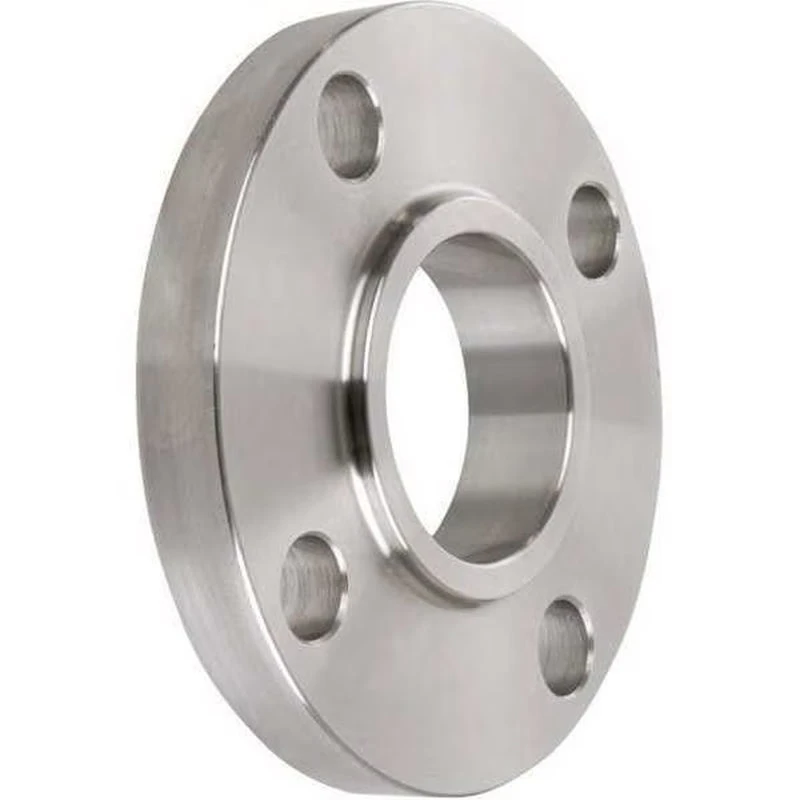
In the oil and gas sector, forging parts are used in valves, flanges, and drilling equipment, where reliability under high pressure and temperature is crucial.
03
Power generation
Turbine blades, generator shafts, and other power generation components benefit from forging parts' inherent strength and precision.
04
Heavy machinery
Construction equipment, mining machinery, and industrial gearboxes rely on forging parts for their robustness and longevity.
05
Make a request
Make the drawings
Engineer's confirmation
Develop molds
Quality control
Laboratory testing
Sample confirmation
Mass production
Packaging
Shipment
Our Service
● If you need custom products, first we need open the grinding tool according to your technical drawing, then we produce the sample for your check.
● If it's OK for you, then we start mass production, and every product will go through staff-check, Inspection visits, and final detection, that's to say 100% check not spot-check.
● All products has a one-year warranty period.
● And we offer 24x7 service during pre sales, mid sales, and post sales.
Packaging depends on the mold, parts and customer requirements.
Proper packaging and professional couriers will ensure fast and good delivery of goods.


We're professional forging part manufacturers and suppliers in China, specialized in providing high quality customized service. Be free to wholesale discount forging part for sale here and get quotation from our factory. For price consultation, contact us.