




What are the safety regulations for welding assembly in a factory?
 Jan 21, 2026|
 As a Welding Assembly supplier deeply entrenched in the metal - working industry, I understand the paramount importance of safety regulations in a factory setting. Welding assembly involves a series of processes that, if not properly managed, can pose significant risks to workers, equipment, and the overall production environment. In this blog, I will delve into the essential safety regulations for welding assembly in a factory, drawing from my years of experience and industry - best practices.
Personal Protective Equipment (PPE)
One of the first lines of defense in welding assembly is the use of appropriate Personal Protective Equipment. Welders are exposed to a multitude of hazards, including intense light, heat, fumes, and flying debris. Therefore, wearing the right PPE is non - negotiable.
-
Welding Helmets: A high - quality welding helmet is crucial. It should have a proper shade lens to protect the eyes from the arc flash, which can cause severe eye damage, including arc eye. The lens shade varies depending on the type of welding process and current used. For example, MIG welding at lower currents may require a shade 10 - 12, while high - current TIG welding may need a shade 13 or higher.
-
Flame - Resistant Clothing: Welders should wear flame - resistant jackets, pants, and aprons. These garments are made of materials that can withstand high temperatures and prevent burns. They also cover the body from sparks and molten metal splashes. Leather gloves are another essential piece of PPE, protecting the hands from heat and cuts.
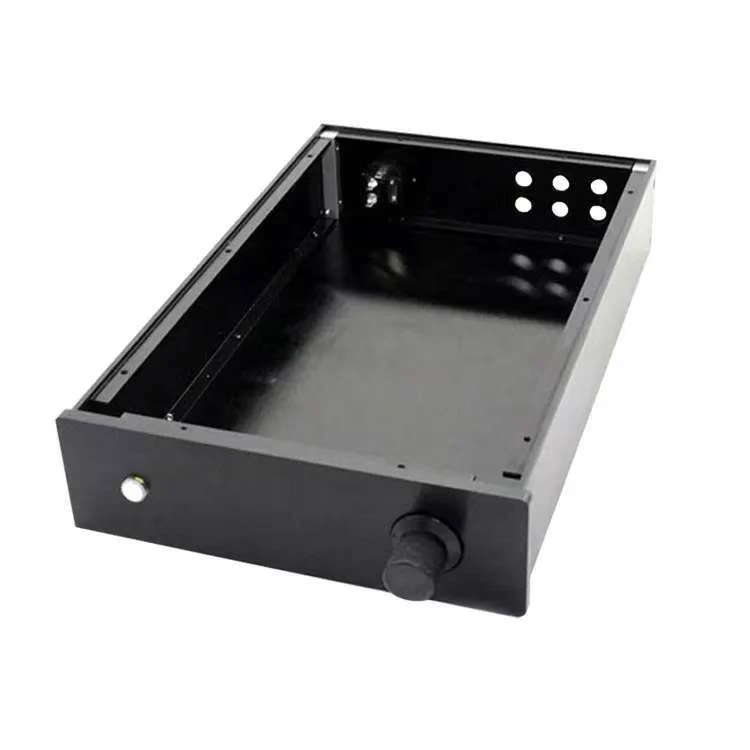
-
Respiratory Protection: Welding produces harmful fumes and gases, such as ozone, nitrogen oxides, and metal fumes. Depending on the welding process and the materials being welded, respiratory protection may range from simple disposable respirators to more advanced powered air - purifying respirators (PAPRs). For instance, when welding stainless steel, which can release hexavalent chromium fumes, a PAPR is often required to ensure the welder's respiratory safety.
Ventilation Systems
Proper ventilation is a critical safety regulation in welding assembly. Effective ventilation helps remove fumes and gases from the work area, reducing the risk of respiratory problems for workers.
- Local Exhaust Ventilation (LEV): LEVs are designed to capture fumes at the source. They typically consist of a hood placed close to the welding point, which sucks in the fumes and transports them through a duct system to a filtration unit. This is particularly important in factories where multiple welding stations are operating simultaneously. For example, in a large - scale Welding Assembly production line for Precision Sheet Metal Enclosure, LEVs can greatly improve air quality.
- General Ventilation: In addition to LEV, general ventilation systems are used to maintain overall air circulation in the factory. These systems use fans and air ducts to bring in fresh air and expel stale air. The ventilation rate should be calculated based on the size of the factory, the number of welding operations, and the type of welding processes being used.
Fire Safety
Welding is a high - risk fire - hazard process. Sparks, hot metal, and open flames are common during welding assembly, so fire safety regulations must be strictly enforced.
- Fire - Resistant Work Areas: Welding should be carried out in designated fire - resistant areas. These areas are often lined with fire - proof materials such as concrete or fire - rated steel. Flammable materials should be kept at a safe distance from the welding area. For example, if you are working on Stainless Steel Shelf Brackets, ensure that any nearby packaging materials or solvents are removed.
- Fire Extinguishers: Adequate fire extinguishers should be readily available throughout the welding area. Different types of fire extinguishers are required depending on the potential fire sources. For example, Class C extinguishers are used for electrical fires, while Class D extinguishers are designed for metal fires. Workers should be trained on the proper use of fire extinguishers.
- Fire Watch: After completing a welding operation, a fire watch should be conducted for a specified period (usually at least 30 minutes). This involves having a trained person monitor the area for any signs of smoldering fires or hot spots.
Equipment Safety
The welding equipment itself must be maintained and used safely to prevent accidents.
-
Regular Inspections: Welding machines, cables, electrodes, and other equipment should be inspected regularly. Damaged cables can cause electrical shocks, and malfunctioning welding machines can lead to poor weld quality and safety hazards. For instance, if the cable insulation on a MIG welding machine is worn, it could expose the operator to electric current.
-
Proper Storage: Equipment should be stored in a dry, clean environment when not in use. This helps prevent corrosion and damage, ensuring the equipment remains in good working condition. Welding electrodes, for example, should be stored in a moisture - free container to maintain their quality.
-
Training on Equipment Use: Workers should receive comprehensive training on how to operate the welding equipment safely. This includes understanding the controls, setting the correct parameters, and troubleshooting common problems. For example, when using a TIG welding machine, the operator needs to know how to adjust the amperage, gas flow rate, and electrode tip distance correctly.
Electrical Safety
Since welding involves the use of electricity, electrical safety is of utmost importance.
- Grounding: All welding equipment must be properly grounded to prevent electrical shocks. The grounding wire should be connected to the welding machine and to a reliable ground source, such as a ground rod. This provides a safe path for electrical current in case of a short - circuit.
- Circuit Protection: Electrical circuits used for welding should be protected by appropriate circuit breakers or fuses. These devices automatically cut off the power when an overload or short - circuit occurs, preventing damage to the equipment and reducing the risk of electrical fires.
- Safe Electrical Practices: Workers should be trained to follow safe electrical practices, such as not touching electrical parts with wet hands, using insulated tools, and avoiding overloading electrical outlets.
Training and Certification
Proper training and certification are essential for all workers involved in welding assembly.
- Welding Training: Welders should receive formal welding training from a recognized institution. This training covers the theory and practice of different welding processes, safety procedures, and quality control. For example, a welder certified in MIG welding may not be qualified to perform TIG welding without additional training.
- Safety Training: In addition to welding - specific training, all workers should receive regular safety training. This includes training on the use of PPE, fire safety, electrical safety, and emergency procedures. Refresher courses should be conducted periodically to ensure that workers stay up - to - date with the latest safety regulations.
Emergency Preparedness
A factory should have a well - defined emergency preparedness plan in place for welding assembly operations.
- Emergency Exits: There should be clearly marked emergency exits throughout the factory, and they should be kept unobstructed at all times. Workers should know the location of these exits and the evacuation routes.
- First - Aid Kits: Adequate first - aid kits should be available in the factory, and workers should be trained in basic first - aid procedures. In case of a welding - related injury, such as a burn or an eye injury, prompt first - aid treatment can prevent further complications.
- Emergency Response Team: A trained emergency response team should be established. This team is responsible for handling emergencies such as fires, chemical spills, and electrical accidents. They should be equipped with the necessary tools and equipment to respond effectively.
In conclusion, safety regulations for welding assembly in a factory are comprehensive and multi - faceted. By adhering to these regulations, factories can protect their workers, prevent accidents, and ensure the smooth operation of their Welding Assembly processes. As a Welding Assembly supplier, I am committed to promoting safety in the industry. If you are in need of high - quality welding assembly services or have any questions regarding safety in your factory, please feel free to reach out for procurement and further discussions.
References
- American Welding Society (AWS) Standards
- Occupational Safety and Health Administration (OSHA) Welding Regulations
- National Fire Protection Association (NFPA) Codes related to Welding Safety