




What are the future trends in die casting?
 Sep 22, 2025|
 Hey there! As a die casting supplier, I've been keeping a close eye on the industry, and let me tell you, the future of die casting is looking super exciting. There are some pretty cool trends emerging that are gonna shape how we do things in the coming years.
First off, let's talk about materials. Traditionally, we've used metals like aluminum, zinc, and magnesium for die casting. But now, there's a growing interest in using more advanced and sustainable materials. For instance, there's research going on to develop high - performance alloys that can offer better strength - to - weight ratios. These new alloys could open up new possibilities in industries like aerospace and automotive, where weight reduction is a big deal.
Zinc is still a star in the die - casting world. The Zinc Die Casting Components are known for their excellent dimensional accuracy and surface finish. Zinc die casting is also cost - effective, which makes it a top choice for a wide range of applications, from consumer electronics to hardware. With advancements in zinc alloy formulations, we can expect even better performance and more complex designs in the future.
Another trend is the push towards more sustainable manufacturing processes. As the world becomes more environmentally conscious, die casting suppliers are under pressure to reduce their carbon footprint. This means using energy - efficient equipment and recycling more of the scrap metal. Many of us are investing in new technologies that can optimize the melting and casting processes to use less energy. For example, some advanced furnaces can pre - heat the metal more efficiently, reducing the overall energy consumption during the die - casting process.
Automation and robotics are also making big waves in the die - casting industry. In the past, a lot of the die - casting work was manual, which was time - consuming and prone to human error. But now, robots can handle tasks like loading and unloading parts, spraying the die lubricant, and even inspecting the finished products. This not only increases the production speed but also improves the quality and consistency of the die - cast parts. With the help of artificial intelligence and machine learning, these robots can learn and adapt to different production scenarios, making the entire process more efficient.
Let's not forget about the demand for more complex and customized parts. In today's market, customers want products that are unique and tailored to their specific needs. Die casting is well - suited to meet this demand because it can produce parts with intricate shapes and detailed features. For example, the Motor Housing Die Casting requires high precision to ensure the proper functioning of the motor. As technology advances, we'll be able to create even more complex motor housings with better heat dissipation and noise reduction properties.
The rise of the Internet of Things (IoT) is also having an impact on die casting. IoT devices are everywhere, from smart home appliances to industrial sensors. These devices often require small, high - precision die - cast components. As the IoT market continues to grow, the demand for such components will only increase. Die casting suppliers need to be ready to produce these parts in large volumes while maintaining high quality.
In addition, the use of simulation software is becoming more widespread in the die - casting industry. Simulation software allows us to predict how the molten metal will flow inside the die, identify potential defects, and optimize the die design before we start the actual production. This saves a lot of time and money by reducing the number of trial - and - error iterations. With more powerful computers and advanced simulation algorithms, we can expect even more accurate predictions and better - optimized die designs in the future.
3D printing is another technology that's starting to intersect with die casting. While 3D printing isn't likely to replace die casting completely, it can be used in the die - making process. For example, 3D printing can be used to create rapid prototypes of dies, which can then be tested and refined before the final production of the die. This speeds up the die - development process and allows for more design flexibility.
Now, let's talk about the market trends. The automotive industry is one of the biggest consumers of die - cast parts. With the shift towards electric vehicles (EVs), the demand for die - cast components is changing. EVs require different types of parts compared to traditional gasoline - powered cars. For example, the battery enclosures and motor components in EVs need to be lightweight and have good thermal management properties. The Die Cast Enclosures for EV batteries are a critical component, and we can expect to see more innovation in this area as the EV market continues to grow.
The consumer electronics industry is also a major driver of the die - casting market. As smartphones, tablets, and wearables become more advanced, they require smaller, lighter, and more complex die - cast parts. For example, the frames and housings of these devices need to be both aesthetically pleasing and structurally strong. Die casting can meet these requirements, and as the consumer electronics market evolves, we'll need to keep up with the changing design and performance demands.
So, what does all this mean for you, the potential buyer? Well, if you're in the market for die - cast parts, you can expect to see more innovative products with better performance and lower costs in the future. The advancements in materials, processes, and technologies will allow us to offer you more customized solutions that meet your specific needs.
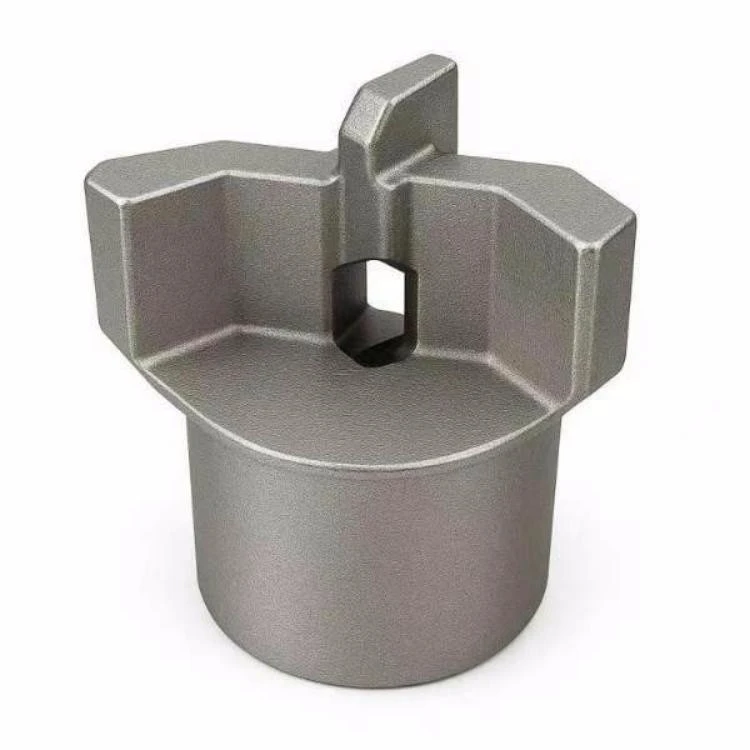

Whether you're looking for zinc die - casting components, motor housing die - casting, or die - cast enclosures, we're here to help. We've got the expertise and the latest technology to produce high - quality parts that will exceed your expectations. If you're interested in discussing your die - casting needs, don't hesitate to reach out. We're always happy to have a chat and see how we can work together to bring your ideas to life.
In conclusion, the future of die casting is full of opportunities. With the trends in materials, sustainability, automation, and customization, we're on the cusp of a new era in the die - casting industry. As a die casting supplier, I'm excited to be part of this journey and to offer our customers the best possible products and services. So, if you're thinking about sourcing die - cast parts, now is the time to get in touch and explore what we can do for you.
References
- "Die Casting Handbook" by J. Campbell
- Industry reports from leading market research firms on die casting trends
- Technical papers on advanced materials and manufacturing processes in die casting