




How to reduce the production cost of Gray Iron Sand Casting?
 Sep 16, 2025|
 As a supplier of Gray Iron Sand Casting, I've been deeply involved in this industry for years. Throughout my journey, I've witnessed the intense competition and the constant pressure to reduce production costs while maintaining high - quality standards. In this blog, I'll share some effective strategies that can help in lowering the production cost of Gray Iron Sand Casting.
1. Optimize the Design Process
The design phase is the foundation of any casting project. A well - designed casting can significantly reduce production costs. Firstly, simplify the geometry of the part. Complex shapes often require more intricate molds and longer production times. By streamlining the design, we can minimize the number of cores and reduce the risk of casting defects. For example, avoiding undercuts and sharp corners can make the molding process easier and faster.
Secondly, consider the use of standard sizes and shapes whenever possible. Standard components are more readily available and can be produced with less tooling and setup time. This not only reduces the cost of tooling but also shortens the lead time. For instance, if a particular part requires a circular shape, using a standard - sized circle can save on custom - tooling expenses.
Another important aspect is to collaborate closely with the design team. Sharing our knowledge of the casting process can help the designers create parts that are more cast - friendly. By integrating manufacturability into the design from the start, we can avoid costly redesigns later in the production cycle.
2. Material Selection and Management
Material costs are a significant portion of the overall production cost in Gray Iron Sand Casting. Therefore, careful selection and management of materials are crucial. When it comes to gray iron, choosing the right grade is essential. Different grades of gray iron have different properties and costs. We need to balance the required mechanical properties of the final part with the cost of the material. For example, if a part does not require extremely high strength, a lower - grade gray iron can be used, which is usually more cost - effective.
In addition to grade selection, proper material sourcing is also important. Establishing long - term relationships with reliable suppliers can help us negotiate better prices and ensure a stable supply of materials. We can also explore alternative material sources to find the best deals.
Material management within the production facility is equally important. Implementing an inventory control system can prevent over - stocking or under - stocking of materials. Over - stocking ties up capital and may lead to material waste due to long - term storage, while under - stocking can cause production delays. By accurately forecasting material requirements based on production schedules, we can optimize our inventory levels and reduce costs.
3. Improve the Molding Process
The molding process is a critical step in Gray Iron Sand Casting, and any improvements here can lead to significant cost savings. One way is to use high - quality molding sand. Although high - quality sand may have a higher upfront cost, it can improve the surface finish of the castings and reduce the number of defective parts. A better surface finish means less post - machining, which saves time and money.
Automating the molding process can also increase efficiency and reduce labor costs. Automated molding machines can produce molds more quickly and with greater precision than manual methods. They can also operate continuously, reducing the downtime between production runs.

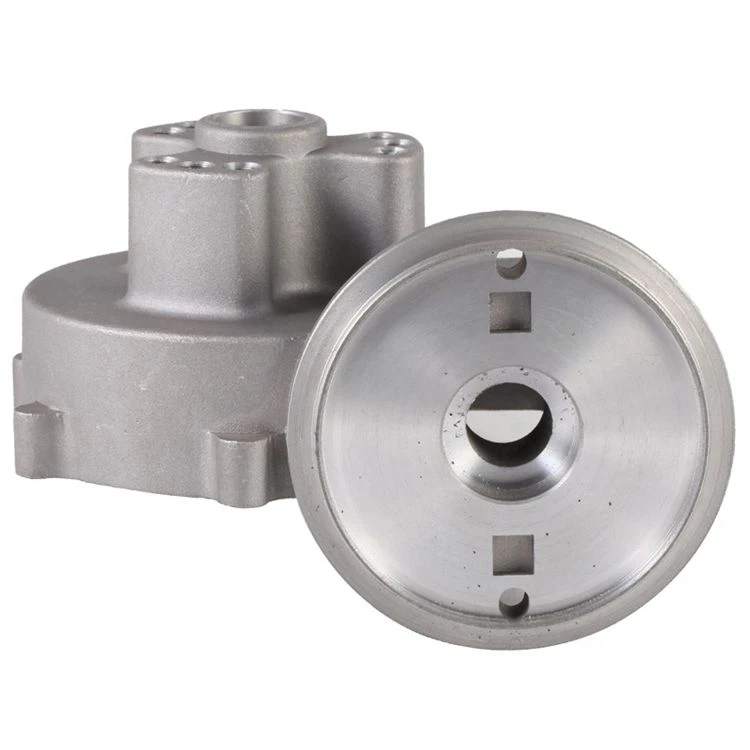
Regular maintenance of the molding equipment is essential. Well - maintained equipment operates more efficiently and has a lower risk of breakdowns. This reduces production disruptions and the cost of emergency repairs.
4. Reduce Energy Consumption
Energy is another major cost factor in the casting process. To reduce energy consumption, we can upgrade our melting equipment. Newer melting furnaces are often more energy - efficient than older models. They use advanced technologies such as improved insulation and better combustion systems to minimize energy waste.
Optimizing the melting process is also important. By carefully controlling the melting temperature and time, we can reduce the amount of energy required to melt the iron. For example, using pre - heating techniques can speed up the melting process and reduce overall energy consumption.
In addition, we can implement energy - management systems in the production facility. These systems can monitor and control energy usage in real - time, allowing us to identify areas of high energy consumption and take corrective actions.
5. Minimize Defects and Rework
Defects in castings can lead to significant costs, including the cost of scrap materials, rework, and lost production time. To minimize defects, we need to implement a comprehensive quality control system. This includes inspecting raw materials before use, monitoring the casting process at every stage, and conducting final inspections of the finished castings.
Training our employees on quality control procedures is also crucial. Well - trained employees are more likely to identify and prevent potential defects. They can also make adjustments to the production process in a timely manner to avoid quality issues.
Root - cause analysis should be conducted whenever a defect occurs. By identifying the underlying causes of defects, we can take corrective actions to prevent similar problems from happening in the future. This can save a large amount of money in the long run.
6. Enhance Supply Chain Efficiency
A well - optimized supply chain can reduce costs and improve the overall competitiveness of our Gray Iron Sand Casting business. Collaborating closely with suppliers and customers can help us streamline the flow of materials and information. For example, sharing production schedules with suppliers can enable them to deliver materials at the right time, reducing inventory costs.
Logistics management is also an important part of the supply chain. Choosing the right transportation methods and carriers can reduce shipping costs. We can also consolidate shipments to take advantage of economies of scale.
Using digital technologies such as supply chain management software can improve visibility and coordination within the supply chain. This software can track inventory levels, monitor shipments, and provide real - time data on the status of orders.
7. Value - Added Services and Collaboration
Offering value - added services can differentiate our business from competitors and potentially reduce costs for customers. For example, we can provide machining services for our castings. By integrating machining into our production process, we can offer Machined Sand Casting Parts as a complete solution. This not only saves the customer the hassle of finding a separate machining supplier but also allows us to optimize the production process and reduce overall costs.
Collaborating with other companies in the industry can also bring cost - saving opportunities. For example, sharing resources such as equipment or testing facilities can reduce capital expenditures. Joint research and development projects can also lead to the development of new and more cost - effective casting technologies.
8. Continuous Improvement and Innovation
The casting industry is constantly evolving, and we need to keep up with the latest trends and technologies. Implementing a continuous improvement program can help us identify areas for cost reduction and efficiency improvement on an ongoing basis. This can involve regular process audits, employee suggestions, and benchmarking against industry best practices.
Investing in research and development is also important. By exploring new materials, processes, and technologies, we can find innovative ways to reduce production costs. For example, the development of new casting alloys or more efficient molding techniques can lead to significant cost savings in the long term.
In conclusion, reducing the production cost of Gray Iron Sand Casting requires a comprehensive approach that addresses all aspects of the production process. By optimizing the design, managing materials effectively, improving the molding process, reducing energy consumption, minimizing defects, enhancing the supply chain, offering value - added services, and continuously innovating, we can achieve significant cost savings while maintaining high - quality standards. If you are interested in our Sand Casting Components or Gray Iron Sand Casting, please feel free to contact us for further discussion and potential procurement opportunities.
References
- Campbell, J. (2003). Castings. Butterworth - Heinemann.
- Kalpakjian, S., & Schmid, S. R. (2013). Manufacturing Engineering and Technology. Pearson.
- Tiryaki, A. (2019). Cost - effective production strategies in sand casting processes. Journal of Manufacturing Technology Management, 30(4), 530 - 547.