




What is the influence of mold coating on shell mold casting?
 May 08, 2026|
 As a shell mold casting supplier, I've witnessed firsthand the profound influence of mold coating on the shell mold casting process. In this blog, I'll delve into the various aspects of how mold coating impacts shell mold casting, from the quality of the final product to the efficiency of the production process.
1. Introduction to Shell Mold Casting
Shell mold casting is a precision casting process that involves creating a thin, hard shell around a pattern. This shell is typically made of resin-coated sand, which is heated to harden it. Once the shell is formed, the pattern is removed, and molten metal is poured into the cavity. Shell mold casting offers several advantages, including high dimensional accuracy, smooth surface finish, and the ability to produce complex shapes. It is widely used in industries such as automotive, aerospace, and machinery manufacturing.
2. The Role of Mold Coating in Shell Mold Casting
Mold coating plays a crucial role in shell mold casting. It is applied to the inner surface of the shell mold to improve the quality of the casting and protect the mold from the high temperatures and chemical reactions associated with the molten metal. Here are some of the key functions of mold coating:
- Surface Finish: A good mold coating can significantly improve the surface finish of the casting. It fills in the tiny pores and irregularities in the mold surface, resulting in a smoother and more uniform surface on the casting. This is particularly important for applications where a high-quality surface finish is required, such as in the automotive and aerospace industries.
- Dimensional Accuracy: Mold coating can also help to improve the dimensional accuracy of the casting. By reducing the friction between the molten metal and the mold surface, it allows the metal to flow more freely and fill the mold cavity more completely. This results in a more accurate casting with fewer defects.
- Mold Protection: The high temperatures and chemical reactions associated with the molten metal can cause damage to the mold. Mold coating acts as a barrier between the metal and the mold, protecting the mold from erosion, corrosion, and thermal shock. This extends the life of the mold and reduces the need for frequent mold replacement.
- Release Properties: Mold coating can also improve the release properties of the mold. It reduces the adhesion between the casting and the mold, making it easier to remove the casting from the mold without damaging it. This is particularly important for complex shapes and thin-walled castings.
3. Types of Mold Coatings
There are several types of mold coatings available for shell mold casting, each with its own unique properties and applications. Here are some of the most common types of mold coatings:
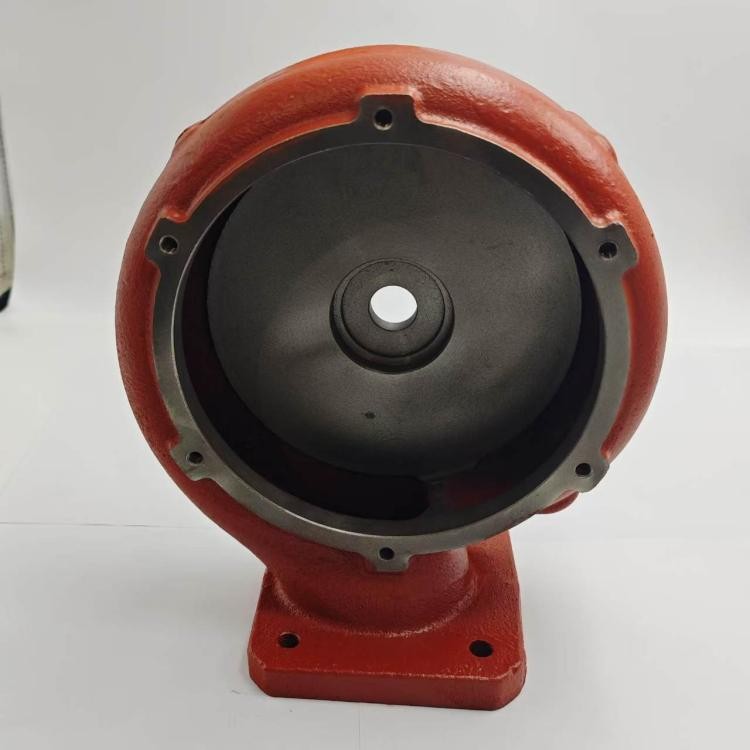

- Graphite Coatings: Graphite coatings are one of the most widely used mold coatings in shell mold casting. They are made of graphite particles suspended in a liquid binder. Graphite coatings offer excellent lubrication and release properties, as well as good thermal conductivity. They are particularly suitable for casting non-ferrous metals such as aluminum and copper.
- Zirconia Coatings: Zirconia coatings are another popular choice for shell mold casting. They are made of zirconia particles suspended in a liquid binder. Zirconia coatings offer high thermal stability and resistance to chemical attack. They are particularly suitable for casting high-temperature alloys such as stainless steel and nickel-based alloys.
- Silica Coatings: Silica coatings are made of silica particles suspended in a liquid binder. They offer good thermal insulation and release properties. Silica coatings are particularly suitable for casting low-melting-point metals such as zinc and lead.
4. Factors Affecting the Performance of Mold Coatings
The performance of mold coatings in shell mold casting is affected by several factors, including the type of coating, the application method, the thickness of the coating, and the casting conditions. Here are some of the key factors to consider:
- Type of Coating: Different types of mold coatings have different properties and applications. It is important to choose the right type of coating for the specific casting application. For example, graphite coatings are suitable for casting non-ferrous metals, while zirconia coatings are suitable for casting high-temperature alloys.
- Application Method: The application method can also affect the performance of the mold coating. There are several methods for applying mold coatings, including spraying, dipping, and brushing. Each method has its own advantages and disadvantages, and the choice of method depends on the specific casting application.
- Thickness of the Coating: The thickness of the mold coating can also affect its performance. A too-thin coating may not provide sufficient protection, while a too-thick coating may cause problems such as cracking and peeling. It is important to apply the coating to the correct thickness to ensure optimal performance.
- Casting Conditions: The casting conditions, such as the temperature of the molten metal, the pouring rate, and the cooling rate, can also affect the performance of the mold coating. It is important to control these conditions to ensure that the mold coating performs as expected.
5. Case Studies
To illustrate the influence of mold coating on shell mold casting, let's look at some case studies.
- Case Study 1: Automotive Component Casting
A company was casting automotive components using shell mold casting. They were experiencing problems with the surface finish of the castings, which were rough and had a lot of porosity. After switching to a high-quality graphite mold coating, the surface finish of the castings improved significantly. The castings were smoother and had fewer defects, which reduced the need for post-casting machining. - Case Study 2: Aerospace Component Casting
A company was casting aerospace components using shell mold casting. They were using a zirconia mold coating to cast high-temperature alloys. The coating provided excellent protection against the high temperatures and chemical reactions associated with the molten metal. The castings had a high dimensional accuracy and a smooth surface finish, which met the strict requirements of the aerospace industry.
6. Conclusion
In conclusion, mold coating plays a crucial role in shell mold casting. It can significantly improve the quality of the casting, protect the mold from damage, and improve the efficiency of the production process. By choosing the right type of coating, applying it correctly, and controlling the casting conditions, you can ensure that your shell mold castings meet the highest standards of quality and performance.
If you're interested in learning more about shell mold casting or purchasing our products, such as Shell Mold Steel Casting, Shell Mold Pump Body, or Precision Shell Molding Parts, please feel free to contact us for a detailed discussion. We look forward to working with you to meet your casting needs.
References
- Campbell, J. (2003). Castings. Butterworth-Heinemann.
-ASM Handbook Committee. (2008). ASM Handbook, Volume 15: Casting. ASM International. - Groover, M. P. (2010). Fundamentals of Modern Manufacturing: Materials, Processes, and Systems. Wiley.