




What is the dimensional tolerance of forged flanges?
 Dec 04, 2025|
 Hey there! As a supplier of forged flanges, I often get asked about dimensional tolerance. It's a super important topic, especially when it comes to making sure the flanges fit perfectly in various applications. So, let's dive right in and talk about what dimensional tolerance of forged flanges really means.
First off, what is dimensional tolerance? Well, it's basically the allowable variation in the size and shape of a forged flange from its specified dimensions. When we manufacture forged flanges, we can't make them exactly to the exact size every single time. There are always going to be some minor differences due to the manufacturing process. That's where dimensional tolerance comes in. It sets the boundaries for how much these differences can be without affecting the functionality of the flange.
Let's take a closer look at why dimensional tolerance matters. In most industrial applications, forged flanges need to fit precisely with other components. For example, if a flange is too big, it might not fit properly into the pipeline or machinery it's supposed to connect to. On the other hand, if it's too small, it could lead to leaks or instability. That's why having the right dimensional tolerance is crucial for ensuring the safety and efficiency of the entire system.
Now, how do we determine the dimensional tolerance for forged flanges? There are a few factors we consider. One of the main things is the intended use of the flange. Different applications have different requirements. For instance, flanges used in high - pressure pipelines need to have a tighter dimensional tolerance compared to those used in low - pressure systems.
The manufacturing process also plays a big role. We use various forging techniques to make our flanges, such as open - die forging and closed - die forging. Closed - die forging generally allows for more precise control of dimensions, which means we can achieve a tighter dimensional tolerance. If you're interested in closed - die forging components, you can check out Closed Die Forging Component.
Another factor is the material of the flange. Different metals have different properties, and they can behave differently during the forging process. For example, some metals might expand or contract more than others when heated or cooled. This can affect the final dimensions of the flange, so we need to take these material characteristics into account when setting the dimensional tolerance.
Standards and specifications also guide us in determining the dimensional tolerance. There are international standards like ASME (American Society of Mechanical Engineers) and ISO (International Organization for Standardization) that provide guidelines on the acceptable dimensional variations for forged flanges. We always make sure to follow these standards to ensure the quality and compatibility of our products.
Let's talk a bit more about the impact of dimensional tolerance on the performance of forged flanges. A flange with a tight dimensional tolerance is more likely to provide a better seal. This is especially important in applications where preventing leaks is critical, like in the oil and gas industry. A well - fitting flange can also reduce stress on the connected components, which can extend their lifespan and reduce maintenance costs.
On the other hand, if the dimensional tolerance is too loose, it can lead to a whole host of problems. As I mentioned earlier, it can cause leaks, which can be not only a safety hazard but also a waste of resources. It can also result in vibrations and noise, which can be annoying and potentially damage the equipment over time.
Now, as a supplier, we take great care in controlling the dimensional tolerance of our forged flanges. We have a team of experienced engineers and technicians who monitor the manufacturing process closely. We use advanced measuring tools and techniques to ensure that each flange meets the specified dimensional requirements.
We also offer custom - made forged flanges. If you have specific dimensional requirements for your project, we can work with you to achieve the right dimensional tolerance. We can produce high - precision metal components according to your exact specifications. You can learn more about our High - Precision Metal Components.
In addition to flanges, we also supply other forged products, like drop - forged brackets. These brackets are used in a variety of applications, from construction to automotive. They also need to have the right dimensional tolerance to ensure proper fit and function. If you're interested in drop - forged brackets, check out Drop Forged Bracket.
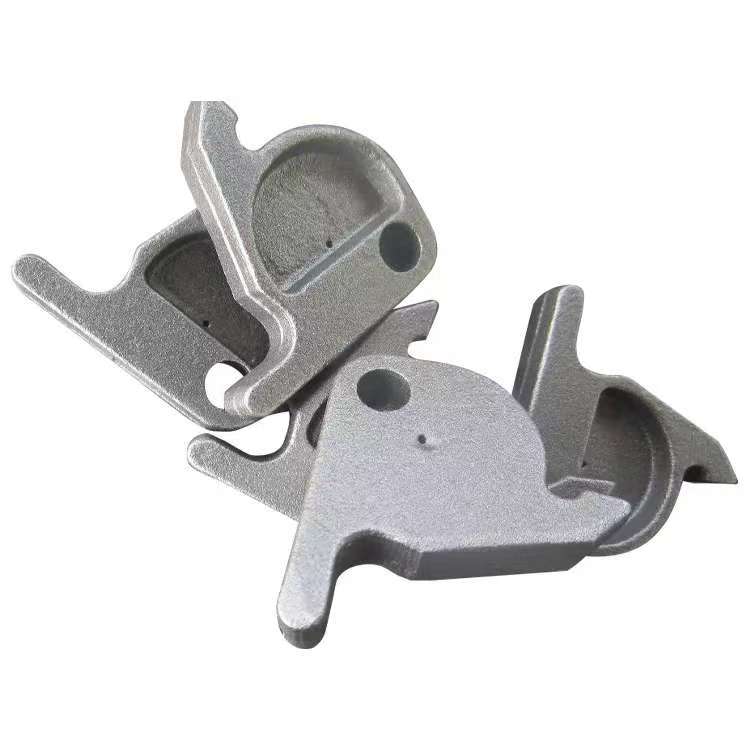

So, if you're in the market for forged flanges or other forged products, you can count on us to provide high - quality products with the right dimensional tolerance. Whether you need standard flanges or custom - made components, we have the expertise and resources to meet your needs.
If you're interested in discussing your requirements or have any questions about dimensional tolerance or our products, don't hesitate to reach out. We're always happy to have a chat and help you find the best solutions for your projects.
In conclusion, dimensional tolerance is a key aspect of forged flanges. It affects the performance, safety, and efficiency of the systems they're used in. As a supplier, we're committed to providing products that meet the highest standards of dimensional accuracy. So, if you're looking for reliable forged flanges and other forged components, give us a shout, and let's start a conversation about your procurement needs.
References
- ASME Standards for Forged Flanges
- ISO Standards for Forged Flanges
- Technical literature on metal forging processes