




What is the dimensional stability requirement for CNC turning parts?
 Jan 19, 2026|
 Yo! As a supplier of CNC turning parts, I often get asked about the dimensional stability requirement for these parts. So, I thought I'd break it down in this blog post.
First off, let's talk about what dimensional stability actually means. In simple terms, it's the ability of a part to maintain its shape and size over time, under various conditions. For CNC turning parts, this is super important. Why? Well, these parts are used in all sorts of industries, from automotive to aerospace, and even in medical equipment. In these fields, a tiny deviation in the dimensions can lead to big problems.
Let's take the automotive industry as an example. CNC turning parts are used in engines, transmissions, and suspension systems. If the dimensions of these parts aren't stable, they might not fit together properly. This could lead to things like leaks, vibrations, or even part failures. And in an engine, a single faulty part can cause the whole thing to malfunction.
Now, when it comes to the specific dimensional stability requirements for CNC turning parts, it depends on a few factors. One of the main factors is the material. Different materials have different properties that affect their dimensional stability.
For instance, metals like steel are commonly used in CNC turning. Steel is known for its strength and durability, but it can also expand or contract with changes in temperature. This is where the concept of thermal expansion comes in. The coefficient of thermal expansion (CTE) tells us how much a material will expand or contract per degree of temperature change. For CNC steel machining (CNC Steel Machining), we need to take into account the CTE of the specific type of steel we're using. If we're making parts for an engine that will operate at high temperatures, we need to ensure that the steel we choose has a low enough CTE to maintain dimensional stability under those conditions.
Another factor is the machining process itself. The cutting tools, the spindle speed, and the feed rate can all affect the dimensional accuracy of the parts. For example, if the cutting tool is dull, it might not cut the material cleanly, which can lead to uneven surfaces and dimensional variations. And if the spindle speed is too high or the feed rate is too fast, it can cause the material to heat up and deform, affecting its dimensional stability.
We also need to consider the environment in which the parts will be used. Some parts might be exposed to humidity, chemicals, or mechanical stress. These factors can all have an impact on the dimensional stability. For example, if a part is used in a chemical plant, it needs to be able to resist corrosion and maintain its shape in the presence of corrosive substances.
To meet the dimensional stability requirements, we use a variety of techniques and quality control measures. First, we carefully select the materials based on the application and the required dimensional stability. We also invest in high - quality cutting tools and machining equipment to ensure accurate and consistent cuts.
During the machining process, we use precision measuring instruments to constantly monitor the dimensions of the parts. This allows us to make adjustments as needed to ensure that the parts meet the specified tolerances. Tolerances are the allowable variations in the dimensions of a part. For example, if a part is supposed to have a diameter of 10 mm with a tolerance of ±0.01 mm, the actual diameter of the part can be anywhere between 9.99 mm and 10.01 mm.
After the machining is done, we perform additional tests on the parts. This might include heat treatment to improve the material's properties and stability, or non - destructive testing methods to check for internal defects that could affect the dimensional stability.
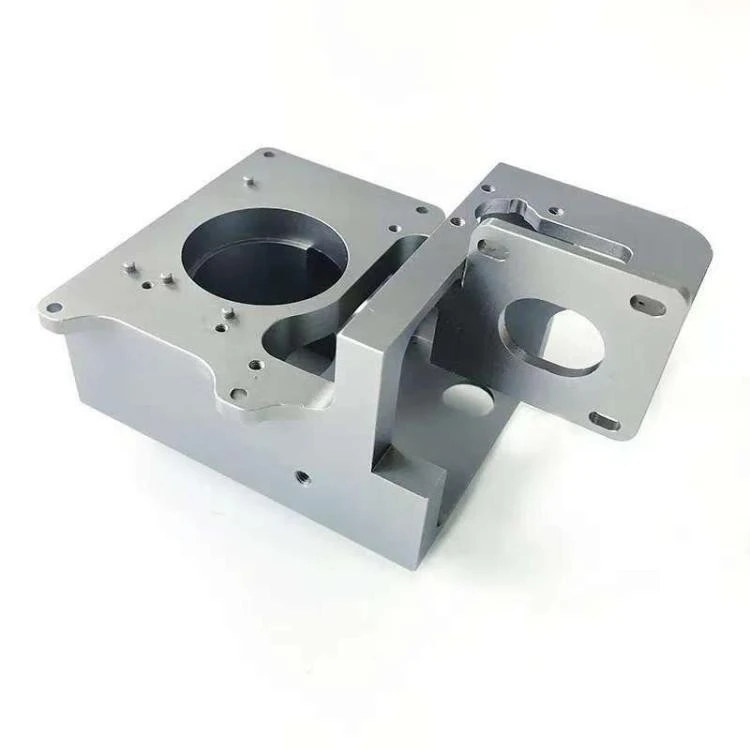
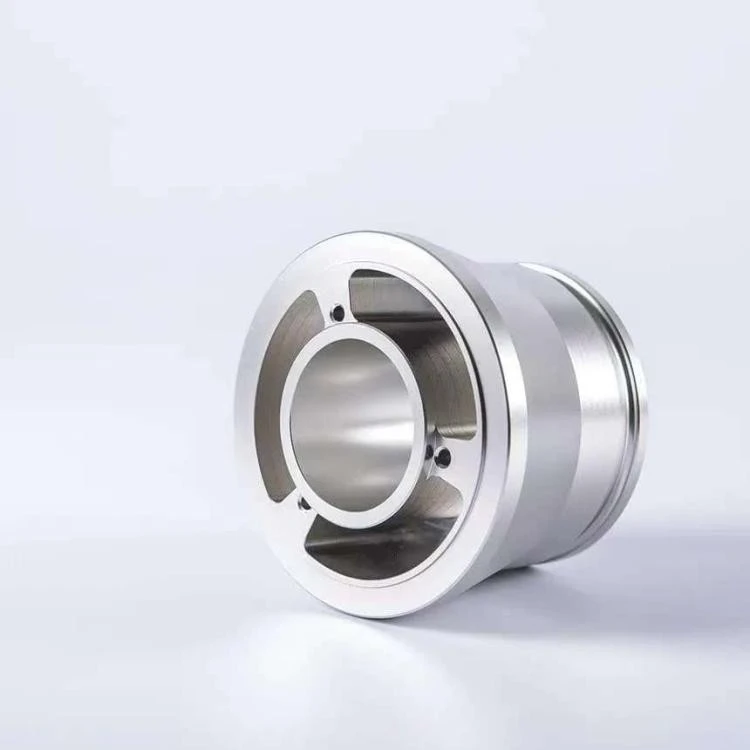
Now, let's relate this to the market demand. The demand for precision machined parts (Precision Machined Parts) is on the rise. As technology advances, the industries that use these parts are demanding higher levels of accuracy and dimensional stability. This means that as a supplier, we need to constantly improve our processes and stay on top of the latest trends in CNC machining.
In addition to CNC turning, we also offer CNC milling parts (CNC Milling Parts). The dimensional stability requirements for milling parts are similar to those for turning parts, but there are some differences in the machining process. Milling involves removing material from a workpiece using rotating cutting tools, and the way the tool moves and cuts can affect the dimensional accuracy.
If you're in the market for high - quality CNC turning parts or other precision machined components, we're here to help. We have the expertise and the equipment to meet your specific dimensional stability requirements. Whether you need a small batch of custom parts or a large - scale production run, we can work with you to ensure that you get the best possible product.
So, if you're interested in discussing your project or getting a quote, don't hesitate to reach out. We're always ready to have a chat and see how we can meet your needs.
References:
- Smith, J. (2020). "Advanced CNC Machining Techniques". Publisher X.
- Johnson, A. (2019). "Materials for Precision Machining". Publisher Y.