




What are the safety precautions when manufacturing CNC turning parts?
 Jun 23, 2026|
 As a supplier of CNC Turning Parts, I understand the critical importance of safety precautions in the manufacturing process. CNC turning is a precise and efficient machining method, but it also comes with inherent risks. In this blog, I will share some essential safety precautions that we follow at our facility to ensure a safe working environment and high - quality production.
1. Personal Protective Equipment (PPE)
The first line of defense in any manufacturing process is the proper use of personal protective equipment. Workers involved in CNC turning must wear safety glasses to protect their eyes from flying chips and debris. These chips can be sharp and travel at high speeds, posing a significant risk of eye injury.
Ear protection is also crucial. CNC turning machines can generate high - decibel noise levels, which can lead to hearing loss over time. Workers should wear earplugs or earmuffs to reduce the impact of the noise.
Gloves are another important piece of PPE. They protect the hands from cuts, abrasions, and contact with coolants and lubricants. However, it's important to choose the right type of gloves. Loose - fitting gloves can get caught in the moving parts of the machine, so we recommend using form - fitting gloves designed for machining operations.
In addition, workers should wear safety shoes with steel toes to protect their feet from falling objects or accidental impacts.
2. Machine Safety Checks
Before starting any CNC turning operation, a thorough machine safety check is necessary. This includes inspecting the machine for any visible damage, such as loose belts, worn - out parts, or electrical issues. All safety guards should be in place and in good condition. Safety guards are designed to prevent workers from coming into contact with moving parts, such as the spindle, chuck, or cutting tools.
The emergency stop button should be easily accessible and in working order. In case of an emergency, the operator should be able to quickly stop the machine to prevent further damage or injury.
We also regularly check the coolant and lubricant levels. Coolants are used to reduce heat and friction during the machining process, and lubricants help to extend the life of the cutting tools. Insufficient coolant or lubricant can lead to overheating, which can cause the cutting tools to wear out faster and may even damage the workpiece.
3. Tooling and Workpiece Setup
Proper tooling and workpiece setup are essential for safe CNC turning operations. The cutting tools should be securely mounted in the tool holder. Loose tools can cause vibrations, which can lead to poor surface finish on the workpiece and increase the risk of tool breakage.
When loading the workpiece into the chuck, it should be centered and clamped firmly. An unbalanced or loosely clamped workpiece can cause the machine to vibrate, which can be dangerous for the operator and can also affect the quality of the machined part.
We also ensure that the cutting parameters, such as the cutting speed, feed rate, and depth of cut, are set correctly. Incorrect cutting parameters can lead to excessive tool wear, poor surface finish, and even machine damage.
4. Training and Education
All workers involved in CNC turning should receive comprehensive training. This includes training on the operation of the CNC turning machine, safety procedures, and emergency response. New employees should be trained by experienced operators and should be closely supervised until they are proficient in the operation of the machine.
Regular safety training sessions should be conducted to keep workers updated on the latest safety regulations and best practices. These sessions can also include discussions on recent safety incidents and how to prevent them in the future.
5. Housekeeping
A clean and organized work environment is essential for safety. The work area around the CNC turning machine should be free of clutter, such as chips, tools, and debris. Accumulated chips can cause slips and falls, and they can also interfere with the operation of the machine.
Regular cleaning of the machine is also necessary. This includes cleaning the coolant tanks, chip conveyors, and the machine bed. A clean machine not only operates more efficiently but also reduces the risk of fire and other safety hazards.
6. Maintenance and Inspection
Regular maintenance and inspection of the CNC turning machine are crucial for its safe and efficient operation. This includes lubricating the moving parts, checking the electrical systems, and replacing worn - out components.
We follow a preventive maintenance schedule to ensure that the machine is in good working condition at all times. This helps to prevent breakdowns and reduces the risk of accidents.
7. Risk Assessment
Before starting any new CNC turning project, a risk assessment should be conducted. This involves identifying potential hazards, such as the type of material being machined, the cutting tools being used, and the operating conditions. Based on the risk assessment, appropriate safety measures can be implemented.
For example, if we are machining a hard and brittle material, there is a higher risk of tool breakage and flying chips. In this case, we may need to use additional safety guards or adjust the cutting parameters to reduce the risk.
8. Emergency Preparedness
In addition to the emergency stop button, we have a comprehensive emergency preparedness plan in place. This includes having first - aid kits readily available in the work area and training workers on basic first - aid procedures.
We also have a fire prevention and response plan. The work area is equipped with fire extinguishers, and workers are trained on how to use them. In case of a fire, there are clear evacuation routes, and regular fire drills are conducted to ensure that all workers know what to do in an emergency.
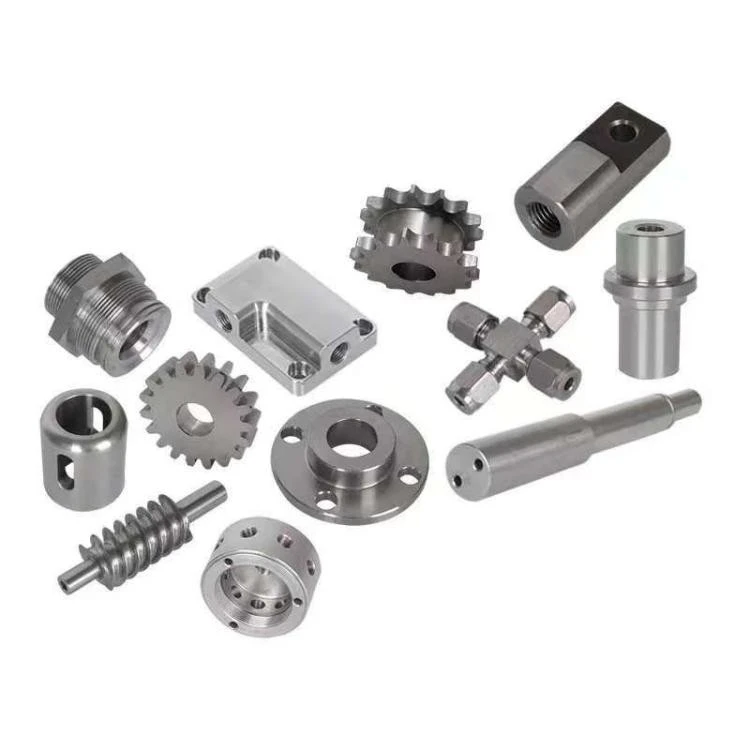

As a supplier of CNC Turning Parts, we are committed to providing high - quality products while ensuring the safety of our workers. We also offer CNC Milling Parts and Precision Machined Parts to meet the diverse needs of our customers.
If you are interested in purchasing CNC turning parts or have any questions about our products and safety measures, please feel free to contact us for a detailed discussion. We look forward to working with you to meet your machining needs.
References
- ASME B11.20 - 2016, Safety Requirements for Integrated Manufacturing Systems
- OSHA (Occupational Safety and Health Administration) regulations on machine safety
- ISO 12100:2010, Safety of machinery - General principles for design - Risk assessment and risk reduction