




What are the forging part production process optimizations?
 Dec 26, 2025|
 As a forging part supplier, I understand the paramount importance of optimizing the production process. In today's highly competitive manufacturing landscape, efficiency, quality, and cost - effectiveness are the driving forces behind continuous process improvements. This blog post delves into various optimization strategies for forging part production.
Material Selection and Preparation
The foundation of a high - quality forging part lies in the proper selection of materials. Different applications require different physical and mechanical properties from the forging parts. For example, aerospace applications often demand materials with high strength - to - weight ratios, such as titanium alloys. On the other hand, automotive components may use carbon or alloy steels because of their excellent balance of cost, strength, and machinability.
Once the material is selected, proper pre - treatment is crucial. This includes processes like annealing, which can relieve internal stresses in the raw material, improving its machinability and forging characteristics. Another important step is the cutting of the billet to the correct size. Precise cutting reduces material waste and ensures consistent forging dimensions. For instance, by using advanced sawing or shearing techniques, we can minimize the variance in billet length and weight.
Design Optimization
The design of the forging part itself significantly impacts the production process. An optimized design can reduce the number of forging operations, improve material flow during the forging process, and enhance the overall quality of the final product. Computer - Aided Design (CAD) and Computer - Aided Manufacturing (CAM) technologies play a vital role in this regard.
With CAD, engineers can create detailed 3D models of the forging part. These models can be analyzed using simulation software to predict how the material will flow during forging. By making adjustments to the design based on the simulation results, we can eliminate potential defects such as cracks, porosity, and uneven grain distribution. For example, adding fillets and radii to sharp corners in the design can improve material flow and reduce stress concentration points.
Forging Process Optimization
Open - Die Forging
Open - die forging is a versatile process that is often used for thick - sectioned and large - scale forging parts. To optimize this process, we need to control factors such as hammer speed, energy, and the number of blows. By adjusting these parameters, we can ensure uniform deformation of the forging and avoid over - or under - forging.

For example, using a high - energy hammer with a controlled speed can reduce the number of blows required to achieve the desired shape. This not only improves the production efficiency but also reduces the wear and tear on the forging equipment. Additionally, proper lubrication during the open - die forging process can reduce friction between the die and the workpiece, improving the surface finish of the forging part.
Closed - Die Forging
Closed - die forging is suitable for producing complex - shaped parts with high precision. In closed - die forging, the optimization focuses on die design, material flow control, and flash management. A well - designed die can ensure that the material fills all the cavities of the die evenly, resulting in a high - quality forging part.
Simulation software can be used to analyze the material flow in the die during the forging process. Based on the simulation results, the die design can be modified to improve the material distribution. Additionally, proper flash control is essential in closed - die forging. Flash is the excess material that is squeezed out of the die during forging. By optimizing the flash design, we can reduce material waste and improve the forging efficiency. You can find more information about Closed Die Forging Component.
Drop Forging
Drop forging is a high - energy forging process that uses a hammer to strike the workpiece. To optimize drop forging, we need to consider the hammer's energy, the die's geometry, and the workpiece's orientation during forging. The energy of the hammer should be sufficient to deform the workpiece to the desired shape but not too high to cause damage to the die or the workpiece.
The die geometry in drop forging should be designed to guide the material flow and prevent the formation of defects. For example, a well - designed die can have provisions for venting air during the forging process, which can reduce the occurrence of porosity in the forging part. You can refer to Drop Forged Bracket for more details on drop - forged products.
Heat Treatment Optimization
Heat treatment is a critical step in the forging part production process as it can significantly improve the mechanical properties of the forging part. The main heat treatment processes include annealing, quenching, and tempering.
Annealing is used to soften the material, relieve internal stresses, and improve the material's machinability. The annealing process parameters, such as temperature, heating rate, and holding time, need to be carefully controlled to achieve the desired results.
Quenching is a rapid cooling process that can increase the hardness of the material. However, improper quenching can lead to cracking and distortion of the forging part. Therefore, the selection of the quenching medium and the cooling rate are crucial.
Tempering is usually performed after quenching to reduce the brittleness of the quenched material and improve its toughness. The tempering temperature and time should be adjusted according to the material and the desired mechanical properties.
Machining and Finishing
After forging and heat treatment, the forging part usually requires machining to achieve the final dimensions and surface finish. Machining optimization involves selecting the appropriate cutting tools, cutting parameters (such as cutting speed, feed rate, and depth of cut), and machining strategies.
Advanced cutting tools, such as carbide - tipped tools, can improve the machining efficiency and the quality of the machined surface. By optimizing the cutting parameters, we can reduce the machining time and the tool wear. For example, using a higher cutting speed and a lower feed rate can improve the surface finish of the machined part.
Finishing processes, such as grinding, polishing, and coating, can further enhance the surface quality of the forging part. For example, a proper coating can improve the corrosion resistance of the forging part, which is especially important for applications in harsh environments.
Quality Control and Inspection
Quality control is an integral part of the forging part production process. It starts from the raw material inspection and continues throughout all the production stages, including forging, heat treatment, machining, and finishing.
Non - destructive testing (NDT) methods, such as ultrasonic testing, magnetic particle testing, and radiographic testing, can be used to detect internal and surface defects in the forging part. Destructive testing methods, such as tensile testing and hardness testing, can be used to evaluate the mechanical properties of the forging part.
By implementing a comprehensive quality control system, we can ensure that all the forging parts meet the required quality standards before they are shipped to the customers.
Cost Optimization
In addition to quality and efficiency, cost is also a major concern in forging part production. Cost optimization can be achieved through various means. For example, by reducing material waste through precise billet cutting and flash control, we can lower the material cost.
Optimizing the production process to reduce the number of operations and the production time can also reduce the labor cost and the energy consumption. Additionally, by using advanced equipment and technologies that have a longer service life and lower maintenance costs, we can further reduce the overall production cost.
Conclusion
Optimizing the forging part production process is a continuous journey that involves multiple aspects, from material selection and design to forging, heat treatment, machining, and quality control. As a forging part supplier, we are committed to implementing these optimization strategies to provide our customers with high - quality, cost - effective forging parts.
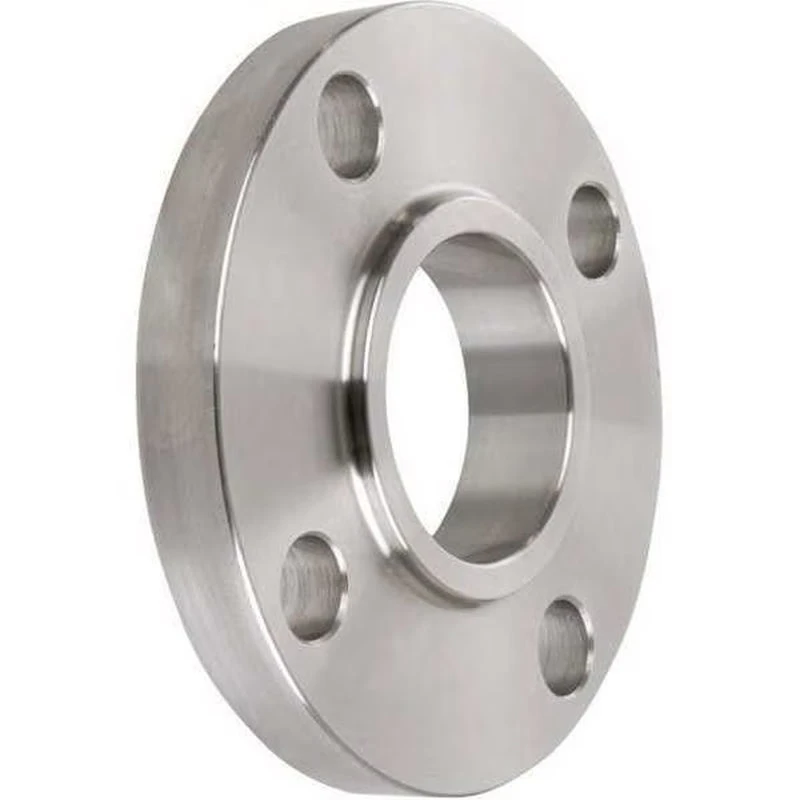
If you are in the market for high - quality forging parts, such as Forged Flanges, we would be delighted to discuss your specific requirements. Please feel free to reach out for a procurement consultation, and we can work together to meet your manufacturing needs.
References
- Dieter, G. E. (1988). Mechanical Metallurgy. McGraw - Hill.
- Kalpakjian, S., & Schmid, S. R. (2013). Manufacturing Engineering and Technology. Pearson.
- Wick, C. (Ed.). (1984). Tool and Manufacturing Engineers Handbook. Society of Manufacturing Engineers.