




What are the challenges of using a check valve body in a sewage system?
 Mar 02, 2026|
 Hey there! I'm a supplier of Check Valve Bodies, and I've seen firsthand the ups and downs of using these components in sewage systems. It's no walk in the park, let me tell you. Sewage systems are tough environments, and check valve bodies have to work hard to keep things flowing smoothly. In this blog, I'll share some of the challenges I've come across and how we can address them.
1. Corrosion and Erosion
One of the biggest headaches when it comes to check valve bodies in sewage systems is corrosion and erosion. Sewage is a pretty nasty concoction, full of chemicals, acids, and abrasive particles. Over time, these can eat away at the valve body, weakening its structure and reducing its effectiveness.
Metals like cast iron and carbon steel are commonly used for check valve bodies, but they're prone to corrosion in sewage. Even stainless steel, which is more resistant, can still be damaged by the aggressive chemicals in sewage. And if the sewage contains a lot of sand or grit, erosion can become a major problem. The particles can scrape away at the valve surface, causing leaks and wear.
To tackle this issue, we need to use materials that are more resistant to corrosion and erosion. For example, some valve bodies are now made from fiberglass-reinforced plastic (FRP) or high-performance polymers. These materials are lightweight, strong, and highly resistant to chemicals. They can withstand the harsh conditions in sewage systems much better than traditional metals.
Another option is to apply protective coatings to the valve body. Epoxy coatings, for instance, can provide a barrier between the metal and the sewage, preventing corrosion. Ceramic coatings can also help to reduce erosion by providing a hard, smooth surface.
2. Clogging
Clogging is another common challenge in sewage systems, and check valve bodies are not immune. Sewage contains all sorts of debris, from toilet paper and sanitary products to food waste and small objects. If these get stuck in the valve, it can block the flow of sewage and cause backups.

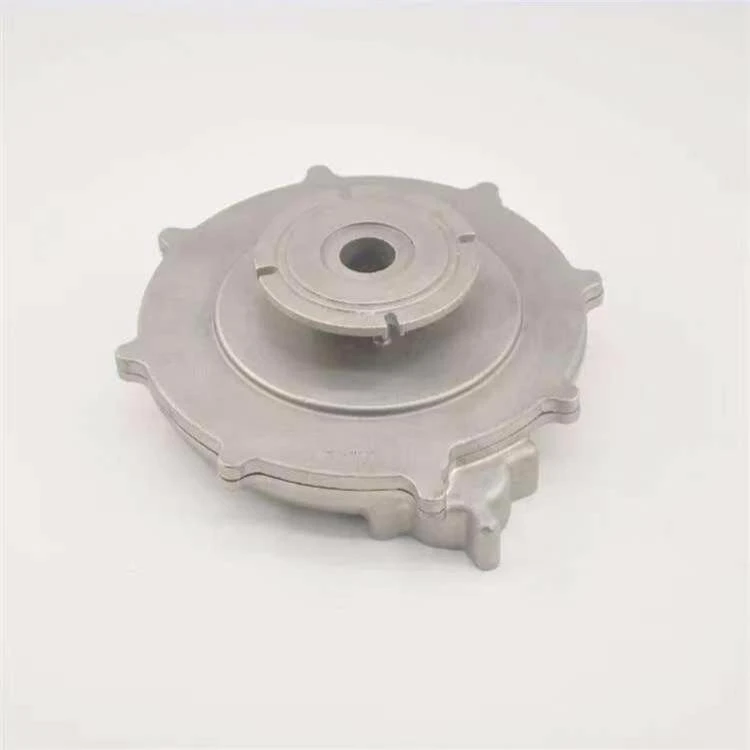
The design of the check valve body can play a big role in preventing clogging. A simple, streamlined design with few crevices or sharp corners is less likely to trap debris. Some check valves also have self-cleaning mechanisms, such as a flapper that opens and closes to dislodge any stuck material.
Regular maintenance is also crucial to prevent clogging. This includes inspecting the valve body for any signs of blockage, cleaning it if necessary, and replacing any worn parts. It's a good idea to have a maintenance schedule in place to ensure that the valves are checked and serviced regularly.
3. Backflow Prevention
The main job of a check valve body in a sewage system is to prevent backflow. Backflow occurs when sewage flows in the wrong direction, which can cause serious problems, such as flooding and contamination of clean water sources.
However, ensuring effective backflow prevention can be tricky. The valve needs to open easily when the sewage is flowing in the right direction, but close tightly to prevent backflow. If the valve doesn't close properly, even a small amount of backflow can lead to big problems.
One of the challenges is finding the right balance between the opening and closing pressure of the valve. If the opening pressure is too high, it can restrict the flow of sewage. If the closing pressure is too low, the valve may not close tightly enough to prevent backflow.
To address this, we need to carefully select the check valve body based on the specific requirements of the sewage system. Factors such as the flow rate, pressure, and type of sewage need to be taken into account. We also need to ensure that the valve is installed correctly and maintained properly to ensure its optimal performance.
4. Compatibility with Other Components
In a sewage system, the check valve body doesn't work alone. It needs to be compatible with other components, such as pumps, pipes, and Flow Control Valve Housing. If there are compatibility issues, it can lead to problems such as leaks, reduced efficiency, and premature failure of the components.
For example, if the size or shape of the check valve body doesn't match the pipe, it can cause a poor seal, leading to leaks. If the valve is not compatible with the pump, it can affect the pump's performance and lifespan.
To ensure compatibility, we need to have a good understanding of the entire sewage system. We need to know the specifications of all the components and make sure that the check valve body is designed to work seamlessly with them. This may involve customizing the valve body to fit the specific requirements of the system.
5. Environmental and Regulatory Compliance
As a supplier of check valve bodies for sewage systems, we also need to comply with various environmental and regulatory requirements. Sewage systems are subject to strict regulations to protect the environment and public health.
For example, the materials used in the valve body need to be environmentally friendly and non-toxic. They should not leach harmful chemicals into the sewage or the environment. In addition, the valve body needs to meet certain performance standards to ensure its reliability and effectiveness.
Staying up-to-date with the latest regulations and standards can be a challenge, but it's essential. We need to invest in research and development to ensure that our check valve bodies meet all the necessary requirements. We also need to work closely with our customers to ensure that they are using the valves in compliance with the regulations.
Conclusion
Using a check valve body in a sewage system is not without its challenges. Corrosion, erosion, clogging, backflow prevention, compatibility, and regulatory compliance are all issues that need to be addressed. However, with the right materials, design, maintenance, and compliance, these challenges can be overcome.
At our company, we're committed to providing high-quality check valve bodies that are designed to meet the specific needs of sewage systems. We work closely with our customers to understand their requirements and provide customized solutions. If you're looking for a reliable Check Valve Body for your sewage system, or you have any questions about the challenges we've discussed, feel free to reach out. We're here to help you make the best choice for your project and ensure that your sewage system runs smoothly.
Let's work together to keep our sewage systems in top shape!
References
- "Sewage System Design and Maintenance Handbook"
- "Valve Technology and Applications in Wastewater Treatment"
- Industry reports on sewage system components and regulations