




Is it difficult to machine cnc parts with a non - circular shape?
 Oct 20, 2026|
As a seasoned supplier of CNC machining parts, I've encountered a wide array of challenges and opportunities in the industry. One question that frequently arises is whether it's difficult to machine CNC parts with a non - circular shape. In this blog, I'll delve into this topic, sharing insights based on my years of experience in the field.
The Complexity of Non - Circular Shapes in CNC Machining
Non - circular shapes, such as elliptical, polygonal, or irregular geometries, present a set of unique challenges compared to their circular counterparts. When machining circular parts, the rotational symmetry simplifies the programming and machining process. The cutting tool follows a consistent path around the axis, and the movement is relatively straightforward.
However, non - circular shapes require more sophisticated programming and precise control. For example, in the case of an elliptical part, the cutting tool must vary its distance from the center of rotation continuously as it moves along the perimeter. This means that the CNC machine has to execute complex motion commands to ensure that the tool follows the exact shape of the ellipse.
The programming for non - circular shapes often involves advanced mathematical algorithms. These algorithms calculate the tool path based on the geometric properties of the shape. Even a small error in the programming can lead to significant deviations in the final part. This requires a high level of expertise from the CNC programmer, who must have a solid understanding of both mathematics and the capabilities of the CNC machine.
Material Considerations
The choice of material also plays a crucial role in machining non - circular parts. Different materials have different properties, such as hardness, ductility, and thermal conductivity. For instance, when machining non - circular parts from steel, the hardness of the material can pose challenges. Steel is a relatively hard material, and the cutting tool may experience more wear and tear during the machining process.
On the other hand, softer materials like aluminum are generally easier to machine. However, they may also be more prone to deformation, especially when machining complex non - circular shapes. This means that the machining parameters, such as cutting speed, feed rate, and depth of cut, need to be carefully adjusted according to the material being used.
If you're interested in CNC Steel Machining, we have extensive experience in handling various steel grades and can provide high - quality machined parts.
Tooling and Setup
The right tooling is essential for machining non - circular parts. Specialized cutting tools may be required to achieve the desired shape and surface finish. For example, ball - nose end mills are often used for machining curved surfaces, while square - end mills are more suitable for flat surfaces.
The setup of the CNC machine is also critical. The workpiece must be securely clamped to prevent any movement during the machining process. In addition, the alignment of the cutting tool and the workpiece needs to be precise. Any misalignment can result in inaccurate machining and poor part quality.
Quality Control
Quality control is of utmost importance when machining non - circular parts. Due to the complexity of the shapes, it's more difficult to ensure that the final part meets the required specifications. Advanced measurement techniques, such as coordinate measuring machines (CMMs), are often used to verify the dimensions and shape of the part.
Regular inspections during the machining process can help detect any potential issues early on. This allows for timely adjustments to the machining parameters or the programming to ensure that the final part is within the acceptable tolerance range.
Our Capabilities as a CNC Machining Part Supplier
At our company, we have the expertise and resources to handle the challenges of machining non - circular parts. Our team of experienced CNC programmers and machinists is well - versed in programming and operating CNC machines to produce high - quality non - circular parts.
We use state - of - the - art CNC machines that are capable of executing complex motion commands with high precision. Our quality control department is equipped with advanced measurement tools to ensure that every part we produce meets the strictest quality standards.
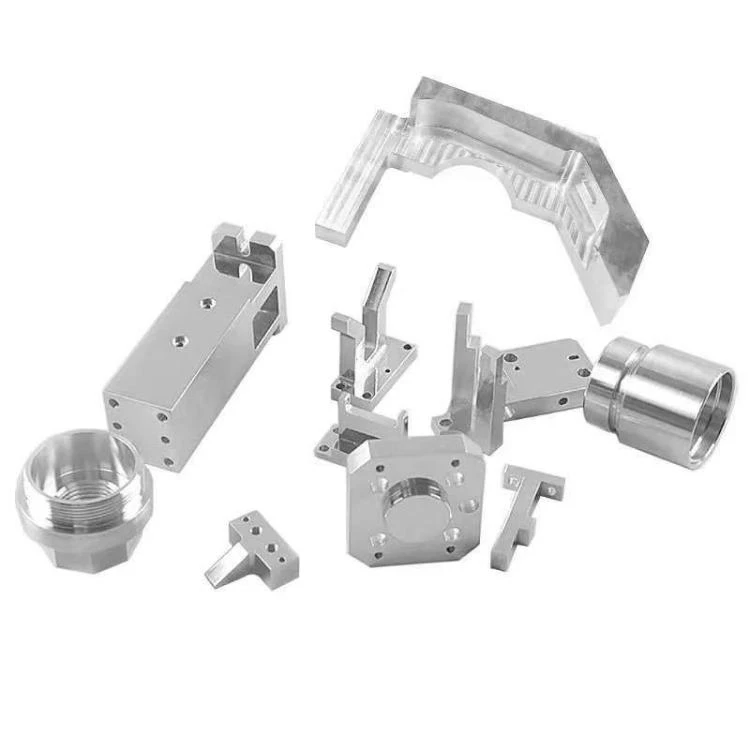
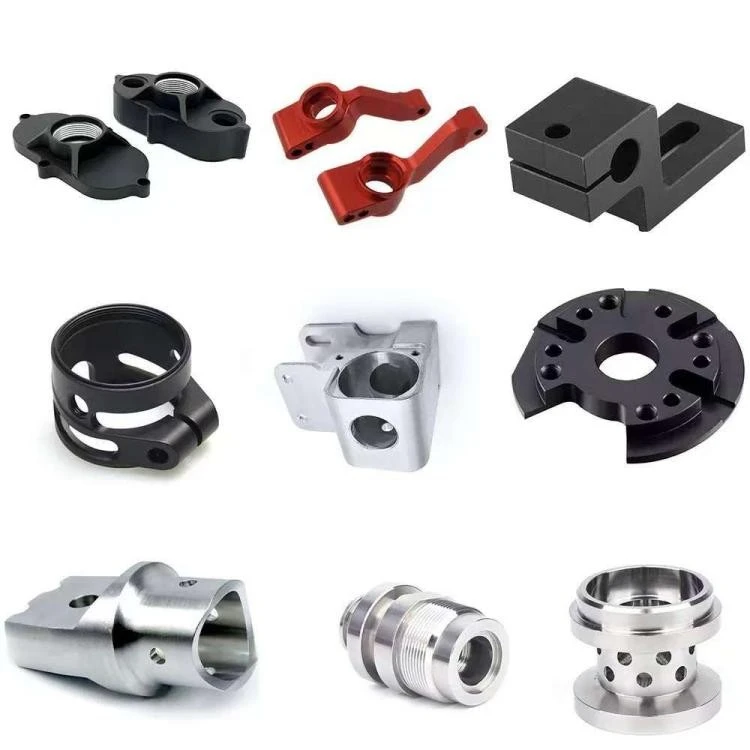
We offer a wide range of Precision Machined Parts, including non - circular components. Whether you need a small batch of custom - made parts or a large - scale production run, we can provide the solutions you need.
Applications of Non - Circular CNC Machined Parts
Non - circular CNC machined parts have a wide range of applications in various industries. In the automotive industry, non - circular parts are used in engine components, transmission systems, and suspension systems. These parts need to be precisely machined to ensure the proper functioning of the vehicle.
In the aerospace industry, non - circular parts are used in aircraft engines, wings, and landing gear. The high - precision requirements of the aerospace industry demand that these parts are machined to the highest standards.
We also produce Machined Bushings with non - circular shapes for different applications. Our bushings are known for their high quality and durability.
Conclusion
In conclusion, machining CNC parts with a non - circular shape is indeed more difficult than machining circular parts. It requires advanced programming, specialized tooling, careful material selection, and strict quality control. However, with the right expertise and resources, it's possible to produce high - quality non - circular parts.
If you're in need of CNC machining parts, especially those with non - circular shapes, we're here to help. Our team is ready to work with you to understand your requirements and provide the best solutions. Contact us to start a discussion about your procurement needs, and let's work together to bring your projects to life.
References
- Smith, J. (2018). Advanced CNC Machining Techniques. New York: Machining Press.
- Johnson, A. (2019). Material Selection for CNC Machining. London: Industrial Materials Publishing.
- Brown, C. (2020). Quality Control in CNC Machining. Tokyo: Precision Manufacturing Books.