




How to reduce the energy consumption in Gray Iron Sand Casting production?
 Sep 08, 2026|
In the contemporary industrial landscape, energy consumption has emerged as a critical concern, especially in energy - intensive industries such as gray iron sand casting. As a supplier of gray iron sand casting products, I am acutely aware of the challenges and opportunities associated with reducing energy consumption in this production process. This blog post aims to explore practical strategies that can be implemented to minimize energy usage in gray iron sand casting production.
Understanding the Energy - Intensive Nature of Gray Iron Sand Casting
Gray iron sand casting is a manufacturing process that involves melting iron, pouring it into sand molds, and allowing it to solidify. This process requires significant amounts of energy, primarily for melting the iron and maintaining the required temperature throughout the casting process. The energy consumption is not only a cost factor but also has environmental implications, contributing to greenhouse gas emissions.
Optimizing the Melting Process
The melting process is one of the most energy - intensive steps in gray iron sand casting. To reduce energy consumption during melting, several strategies can be employed.
Use of High - Efficiency Furnaces
Investing in high - efficiency furnaces is a crucial step. Modern electric arc furnaces (EAFs) and induction furnaces are more energy - efficient compared to traditional cupola furnaces. EAFs can recycle scrap iron, which reduces the need for virgin iron ore and also consumes less energy. Induction furnaces, on the other hand, offer precise temperature control and faster melting times, leading to energy savings.
Scrap Management
Proper scrap management can significantly reduce energy consumption. By carefully sorting and preparing scrap iron, we can ensure that the melting process is more efficient. Using high - quality scrap with a consistent composition reduces the energy required to achieve the desired iron quality. Additionally, recycling scrap on - site can further reduce transportation costs and energy consumption associated with sourcing new materials.
Improving Molding and Core Making
The molding and core - making processes also contribute to energy consumption in gray iron sand casting.
Optimized Mold Design
A well - designed mold can reduce the amount of molten iron required for each casting. By minimizing the excess material and ensuring proper gating and riser systems, we can reduce the energy needed for melting and pouring. Advanced computer - aided design (CAD) and simulation tools can be used to optimize mold designs, predicting the flow of molten iron and identifying potential areas for improvement.
Core Binders and Drying
The choice of core binders can have a significant impact on energy consumption. Some binders require high - temperature drying processes, which consume a large amount of energy. Using low - temperature or self - curing binders can reduce the energy required for core drying. Additionally, improving the drying process by using more efficient drying equipment or optimizing the drying time and temperature can lead to energy savings.

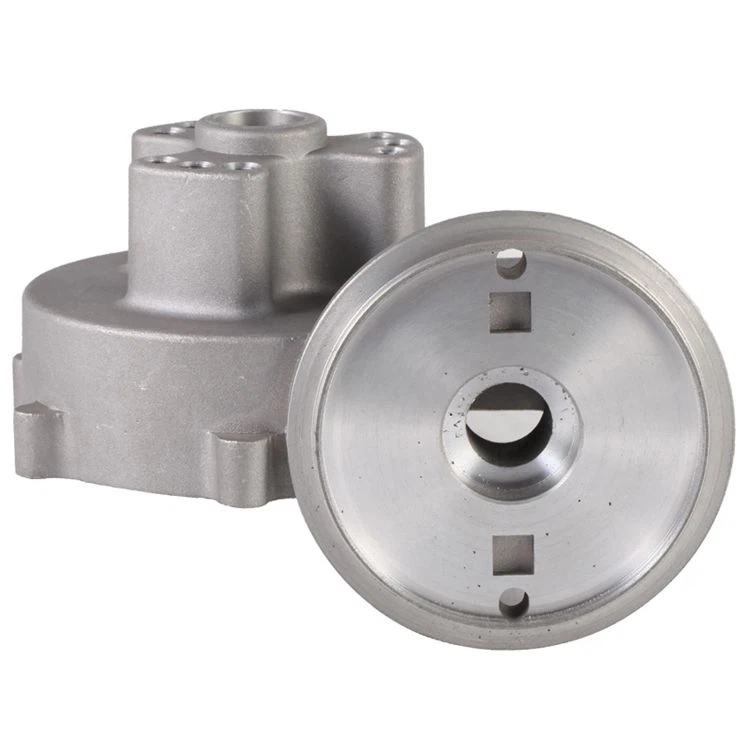
Process Automation and Control
Automation and control systems play a vital role in reducing energy consumption in gray iron sand casting.
Real - Time Monitoring
Implementing real - time monitoring systems allows us to track energy consumption at every stage of the production process. By collecting data on energy usage, we can identify areas of inefficiency and take corrective actions. For example, monitoring the temperature of the furnace and adjusting the power input accordingly can prevent over - heating and reduce energy waste.
Automated Process Control
Automating the casting process can improve efficiency and reduce energy consumption. Automated systems can control the pouring rate, temperature, and other parameters more precisely than manual operations. This ensures that the casting process is optimized, reducing the amount of energy required for each casting.
Heat Recovery and Reuse
Heat recovery is an effective way to reduce energy consumption in gray iron sand casting.
Waste Heat Recovery
The high - temperature waste gases generated during the melting and casting processes can be used to pre - heat incoming materials or provide heat for other parts of the production process. For example, waste heat from the furnace can be used to pre - heat the sand molds, reducing the energy required to heat the molds during the casting process.
Recycling of Heat - Treated Components
Heat - treated components can retain a significant amount of heat. By recycling this heat, we can reduce the energy required for subsequent heat - treatment processes. For example, hot castings can be used to pre - heat the next batch of iron, reducing the overall energy consumption.
Staff Training and Awareness
The role of staff in energy conservation should not be underestimated. Training employees on energy - saving practices and raising awareness about the importance of energy efficiency can lead to significant energy savings.
Energy - Saving Training Programs
Providing regular training programs for employees on energy - saving techniques can help them understand how their actions can impact energy consumption. For example, training on proper furnace operation, mold handling, and waste management can lead to more energy - efficient practices.
Employee Incentives
Implementing employee incentives for energy conservation can further encourage energy - saving behavior. For example, offering bonuses or recognition for employees who contribute to energy - saving initiatives can motivate them to be more conscious of energy usage in their daily work.
Conclusion
Reducing energy consumption in gray iron sand casting production is a multifaceted challenge that requires a comprehensive approach. By optimizing the melting process, improving molding and core making, implementing process automation and control, recovering and reusing heat, and raising staff awareness, we can significantly reduce energy consumption in our production processes.
As a gray iron sand casting supplier, we are committed to implementing these strategies to not only reduce our energy costs but also to contribute to a more sustainable future. We offer a wide range of Sand Casting Components, Machined Sand Casting Parts, and Large Sand Cast Iron Base that are produced with energy - efficient practices.
If you are interested in our gray iron sand casting products or would like to discuss how we can meet your specific requirements, we invite you to contact us for a procurement discussion. We look forward to working with you to achieve your casting needs while minimizing energy consumption.
References
- Smith, J. (2020). Energy Efficiency in Metal Casting. Journal of Manufacturing Technology, 15(2), 123 - 135.
- Johnson, R. (2019). Sustainable Casting Practices. International Journal of Casting Research, 8(3), 201 - 210.
- Brown, A. (2021). Optimizing Energy Consumption in Gray Iron Casting. Proceedings of the International Conference on Casting Technology, 45 - 52.