




How to choose the appropriate cutting tools for cnc machining parts?
 Nov 06, 2026|
Picking the right cutting tools for CNC machining parts is super crucial, especially when you're in the business like me, a CNC machining part supplier. It can make or break your project, affecting the quality, efficiency, and cost of the whole machining process. In this blog, I'll share some tips on how to choose the appropriate cutting tools, based on my experience in this field.
Material of the Workpiece
The material of the workpiece is the first thing you need to consider when choosing cutting tools. Different materials have different properties, such as hardness, toughness, and heat conductivity, which require different types of cutting tools.
For example, if you're working on Precision Machined Parts made of aluminum, you'll want to use tools designed for non - ferrous metals. Aluminum is a relatively soft material, so high - speed steel (HSS) or carbide tools with sharp cutting edges work great. Carbide tools are often preferred because they can withstand higher cutting speeds and offer better wear resistance, which means you can get more parts machined before having to change the tool.
On the other hand, if you're dealing with hardened steel, you need much tougher cutting tools. Cubic boron nitride (CBN) or polycrystalline diamond (PCD) tools are suitable for this kind of material. These tools can handle the high hardness of the steel and maintain their cutting edge for a longer time. For Machined Bushings made of hardened steel, using the wrong tool could result in excessive wear, poor surface finish, and even damage to the workpiece.
Machining Process
The type of machining process also plays a big role in tool selection. Common CNC machining processes include milling, turning, drilling, and boring.
In CNC Milling Parts production, end mills are commonly used. They come in different shapes and sizes, like square - end mills, ball - end mills, and corner - radius end mills. Square - end mills are great for making flat surfaces and slots, while ball - end mills are used for curved surfaces and contouring. The number of flutes on the end mill is an important factor too. A higher number of flutes can provide a better surface finish but may reduce the chip - evacuation ability. So, if you're working on a part that requires a smooth finish and the material chips easily, a multi - flute end mill might be a good choice.

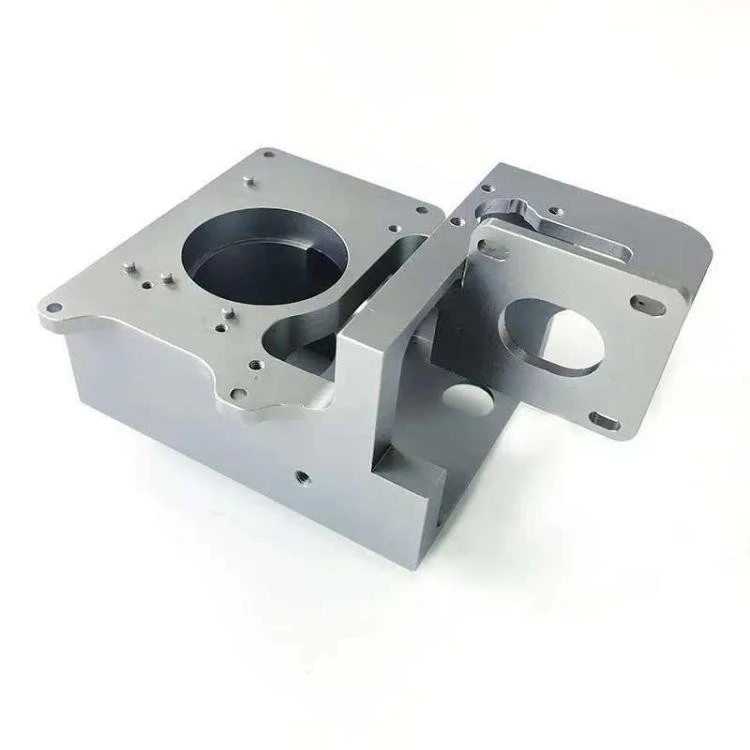
When it comes to turning operations for CNC Aluminum Parts, inserts are the way to go. Inserts are available in various geometries and coatings to suit different materials and cutting conditions. For rough turning, inserts with a large radius and a positive rake angle can remove material quickly. For finishing operations, inserts with a honed edge can provide a better surface finish.
Tool Coating
Tool coating is like a shield for your cutting tools. It can significantly improve the tool's performance and lifespan. There are several common types of tool coatings, and each has its own advantages.
Titanium nitride (TiN) is one of the most widely used coatings. It provides good wear resistance and can reduce friction between the tool and the workpiece. This coating is suitable for a variety of materials and machining processes. Titanium carbonitride (TiCN) is a step up from TiN. It has better wear resistance and can handle higher cutting speeds, making it ideal for high - volume production.
Another popular coating is aluminum titanium nitride (AlTiN). AlTiN coatings can withstand very high temperatures, which is great for machining hard materials. When working on Aluminum Heat Sink Machining, a tool with an appropriate coating can make the machining process much more efficient and cost - effective.
Tool Geometry
The geometry of the cutting tool is crucial for achieving accurate results and good surface finish. Factors like rake angle, clearance angle, and cutting edge radius need to be considered.
The rake angle affects the cutting force and chip formation. A positive rake angle reduces the cutting force but may make the tool less strong. A negative rake angle, on the other hand, provides more strength but increases the cutting force. The choice of rake angle depends on the material of the workpiece and the machining process.
The clearance angle prevents the tool from rubbing against the workpiece, which can cause heat generation and poor surface finish. It needs to be large enough to allow for smooth cutting but not too large, as it can weaken the tool.
The cutting edge radius also impacts the surface finish and tool wear. A smaller cutting edge radius can provide a better surface finish, but it may wear out more quickly, especially when machining hard materials.
Cost and Availability
Let's not forget about cost and availability. You don't want to choose a tool that's extremely expensive or hard to find. Sometimes, a cheaper tool can still do a good job if it meets your requirements.
Before making a decision, compare the prices of different tools from various suppliers. Consider the lifespan of the tool as well. A more expensive tool that lasts longer may be more cost - effective in the long run. Also, make sure the tool is readily available. Delays in getting a replacement tool can cause production downtime and cost you money.
Conclusion
Choosing the appropriate cutting tools for CNC machining parts is a complex but important task. By considering the material of the workpiece, the machining process, tool coating, tool geometry, and cost and availability, you can make an informed decision. As a CNC machining part supplier, I've seen firsthand how the right tools can improve the quality and efficiency of production.
If you're in the market for CNC machining parts or need advice on cutting tool selection for your projects, I'd love to have a chat with you. Feel free to reach out to start a procurement discussion. We can work together to find the best solutions for your machining needs.
References
- "CNC Machining Handbook"
- Industry reports on CNC cutting tool technology
- Personal experience in the CNC machining part supply business