




How to adjust the depth of disc harrow blades?
 Aug 06, 2025|
 Hey there, fellow farmers and agricultural enthusiasts! I'm a supplier of Disc Harrow Blades, and today I'm gonna share some tips on how to adjust the depth of disc harrow blades. It's a crucial aspect of using disc harrows effectively, and getting it right can make a huge difference in your farming operations.
First off, let's talk about why adjusting the depth of disc harrow blades is so important. The depth at which the blades penetrate the soil affects how well the soil is tilled, how effectively weeds are controlled, and how evenly seeds are distributed. If the blades are set too shallow, you might not break up the soil enough, leaving it compacted and making it difficult for plants to grow. On the other hand, if they're set too deep, you could waste fuel, damage the blades, and disrupt the soil structure in a way that's not beneficial for your crops.
So, how do you go about adjusting the depth? Well, the first thing you need to do is understand the type of disc harrow you're using. There are different models and designs, and each may have its own unique way of adjusting the depth. But in general, most disc harrows have some kind of mechanism for raising or lowering the blades.
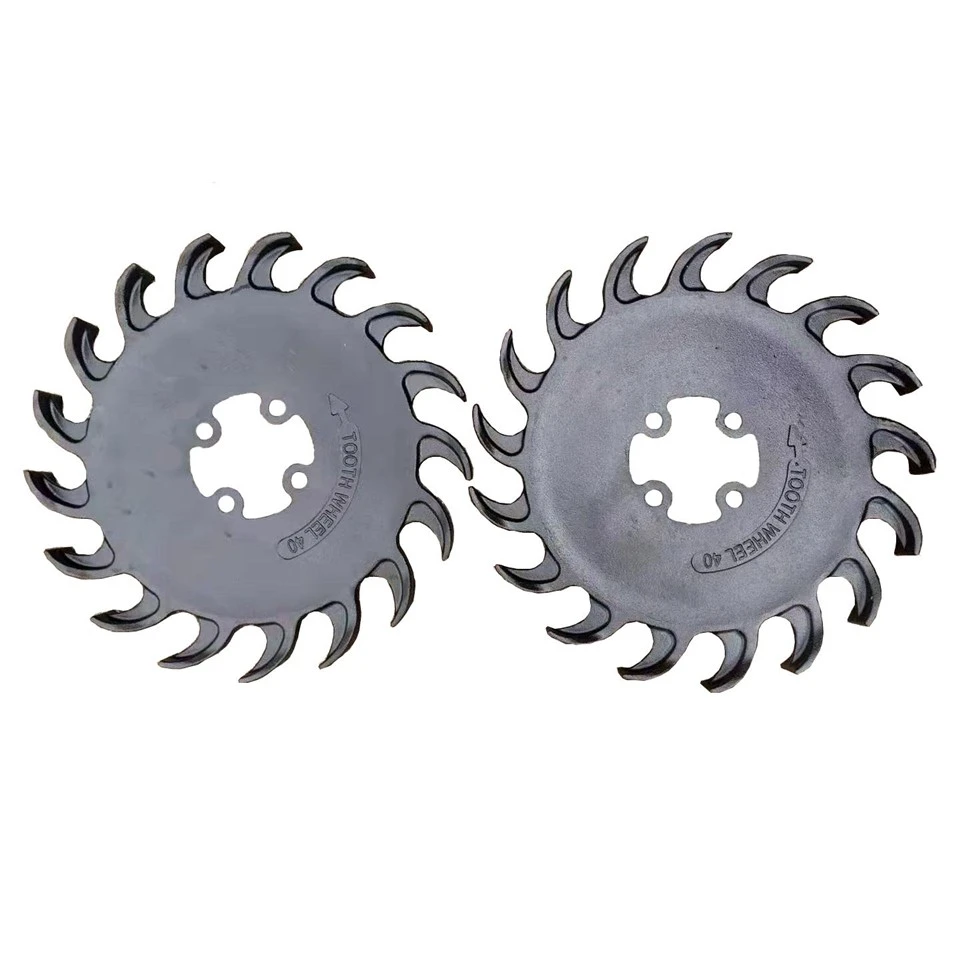

One common method is to use a depth control wheel. These wheels are usually located at the front or rear of the disc harrow. By adjusting the height of the depth control wheel, you can change the angle at which the blades enter the soil, thus controlling the depth. To do this, you'll typically need a wrench or some other tool to loosen the bolts that hold the depth control wheel in place. Then, you can raise or lower the wheel to the desired height and tighten the bolts again.
Another way to adjust the depth is by using a hydraulic system. Some modern disc harrows are equipped with hydraulic cylinders that can be used to raise or lower the entire harrow unit. This is a more convenient and precise way of adjusting the depth, especially if you need to make frequent changes. With a hydraulic system, you can usually control the depth from the tractor's cab using a control lever or switch.
Before you start adjusting the depth, it's a good idea to do a test run on a small area of your field. This will allow you to see how the disc harrow performs at different depths and make any necessary adjustments. You can also use a soil probe or a ruler to measure the actual depth of the tillage. This will help you ensure that you're getting the desired results.
When adjusting the depth, it's important to consider the type of soil you're working with. Different soils have different characteristics, and the optimal depth for tillage may vary. For example, sandy soils are generally easier to till and may require a shallower depth, while clay soils are more compact and may need a deeper tillage. You should also take into account the moisture content of the soil. Wet soil is usually easier to till than dry soil, but if it's too wet, the blades may clog and the soil may become too compacted.
In addition to adjusting the depth, you also need to make sure that the disc harrow blades are properly aligned. Misaligned blades can cause uneven tillage and reduce the efficiency of the harrow. To check the alignment, you can use a straightedge or a laser alignment tool. If the blades are misaligned, you'll need to adjust the mounting bolts or brackets to correct the problem.
Now, let's talk about some common mistakes to avoid when adjusting the depth of disc harrow blades. One of the most common mistakes is setting the depth too deep right from the start. This can put unnecessary stress on the tractor and the disc harrow, and it may also damage the soil structure. It's better to start with a shallow depth and gradually increase it as needed.
Another mistake is not checking the depth control mechanism regularly. Over time, the bolts and other components of the depth control mechanism can loosen or wear out, which can affect the accuracy of the depth adjustment. You should check the depth control mechanism before each use and make any necessary adjustments.
Finally, it's important to use the right type of disc harrow blades for your specific needs. There are different types of blades available, each designed for a particular type of soil and tillage operation. For example, there are standard blades for general tillage, heavy-duty blades for tough soils, and notched blades for better weed control. Using the wrong type of blades can reduce the efficiency of the disc harrow and may even cause damage to the blades or the harrow itself.
As a supplier of Disc Harrow Blades, I understand the importance of having high-quality blades for your disc harrow. That's why we offer a wide range of disc harrow blades that are made from high-quality materials and designed to provide optimal performance. Whether you're looking for standard blades, heavy-duty blades, or notched blades, we've got you covered.
In addition to disc harrow blades, we also supply other agricultural machinery parts, such as Agriculture Machinery Parts Disc Plough and Tractor Hitch Casting. Our parts are designed to be durable, reliable, and easy to install, so you can get the most out of your agricultural equipment.
If you're interested in purchasing our disc harrow blades or other agricultural machinery parts, please don't hesitate to contact us. We'd be happy to answer any questions you may have and help you find the right parts for your needs. You can reach out to us through our website or by contacting our sales team directly.
In conclusion, adjusting the depth of disc harrow blades is an important part of using disc harrows effectively. By following the tips and guidelines I've shared in this blog post, you can ensure that you're getting the best results from your disc harrow and maximizing the productivity of your farm. Remember to choose the right type of blades, check the depth control mechanism regularly, and make any necessary adjustments based on the type of soil and tillage operation. And if you need high-quality disc harrow blades or other agricultural machinery parts, don't forget to check out our products.
References
- Agricultural Machinery Handbook, various editions
- Farm Equipment Magazine articles on disc harrow operation and maintenance