




Can concrete inserts be used in bridge concrete structures?
 Oct 30, 2025|
 As a supplier of Concrete Insert, I've often been asked about the feasibility and effectiveness of using concrete inserts in bridge concrete structures. This blog aims to explore this topic in depth, providing a comprehensive analysis based on scientific knowledge and industry experience.
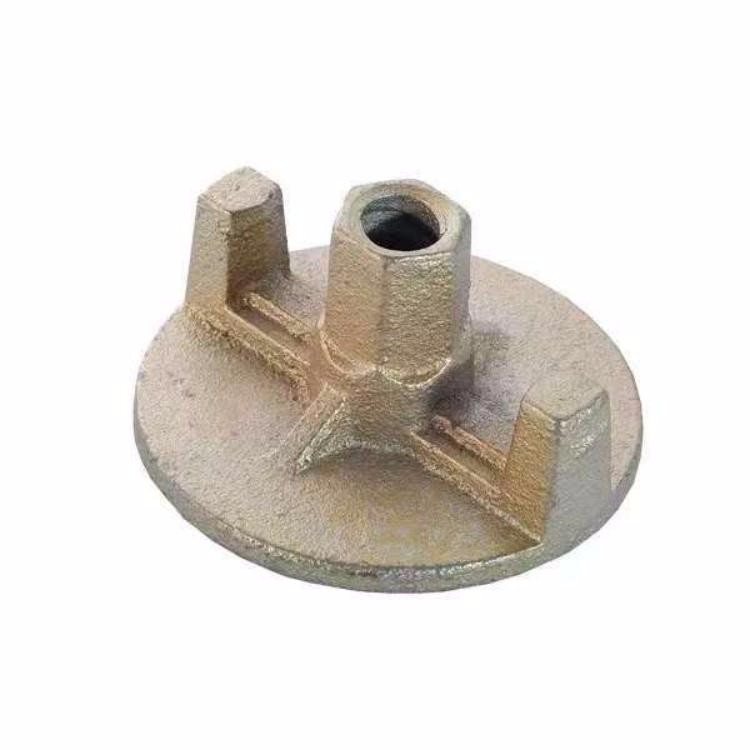

Understanding Concrete Inserts
Concrete inserts are specialized components designed to be embedded within concrete structures during the casting process. They serve a variety of purposes, such as providing attachment points for fixtures, equipment, or other structural elements. These inserts are typically made from high - strength materials like steel or stainless steel, which can withstand the forces and stresses exerted on the concrete structure.
There are different types of concrete inserts available in the market, including threaded inserts, wedge anchors, and drop - in anchors. Each type has its unique features and applications, depending on the specific requirements of the project.
Advantages of Using Concrete Inserts in Bridge Structures
Structural Integrity
One of the primary advantages of using concrete inserts in bridge structures is the enhancement of structural integrity. Inserts can be precisely placed within the concrete, allowing for secure connections between different components of the bridge. For example, they can be used to attach steel girders, deck panels, or railing systems to the concrete substructure. This ensures that the bridge can withstand the various loads it will encounter, such as traffic loads, wind loads, and seismic forces.
Flexibility in Design
Concrete inserts offer greater flexibility in bridge design. Engineers can plan for the use of inserts at the design stage, which allows for easier modification and adaptation of the bridge structure in the future. If there is a need to add new components or make repairs, the pre - installed inserts can be used as attachment points, eliminating the need for costly and time - consuming retrofitting.
Installation Efficiency
Compared to traditional methods of attaching components to concrete, such as drilling and bolting after the concrete has cured, using concrete inserts during the casting process is more efficient. Inserts can be easily positioned and fixed in place before the concrete is poured, which reduces the installation time and labor costs. Additionally, the quality of the connection is often better, as the insert is fully embedded in the concrete, providing a more stable and reliable attachment.
Challenges and Considerations
Corrosion Resistance
Bridges are often exposed to harsh environmental conditions, including moisture, saltwater, and chemicals. Therefore, corrosion resistance is a crucial consideration when using concrete inserts in bridge structures. Inserts made from materials like stainless steel or those with appropriate protective coatings can help prevent corrosion and ensure the long - term durability of the bridge.
Load - Bearing Capacity
It is essential to accurately calculate the load - bearing capacity of the concrete inserts. The inserts must be able to support the expected loads without failure. This requires a detailed understanding of the bridge's design loads, as well as the mechanical properties of the inserts and the surrounding concrete. Engineers should conduct thorough structural analyses to determine the appropriate size, type, and spacing of the inserts.
Compatibility with Concrete
The insert must be compatible with the concrete mix used in the bridge. Factors such as the insert's material, shape, and surface finish can affect its bond with the concrete. A poor bond can lead to reduced load - transfer efficiency and potential failure of the connection. Therefore, it is important to select inserts that are specifically designed for use in bridge concrete structures and to follow the manufacturer's recommendations for installation.
Case Studies
Successful Applications
There have been numerous successful applications of concrete inserts in bridge construction. For example, in a large - scale bridge project in a coastal area, Concrete Insert were used to attach the steel deck panels to the concrete piers. The inserts were made from high - grade stainless steel to resist corrosion from the saltwater environment. After several years of service, the bridge has shown no signs of structural problems related to the insert connections, demonstrating the effectiveness of using concrete inserts in such challenging conditions.
Lessons Learned
In some cases, improper use of concrete inserts has led to problems. For instance, if the inserts are not installed correctly or if the load - bearing capacity is miscalculated, it can result in premature failure of the connection. These experiences highlight the importance of proper design, installation, and quality control when using concrete inserts in bridge structures.
Related Products and Their Role in Bridge Construction
In addition to Concrete Insert, other products such as Steel Formwork Connector and Galvanized Steel Scaffolding Bracket also play important roles in bridge construction.
Steel formwork connectors are used to assemble and support the formwork during the concrete casting process. They ensure the proper shape and dimensions of the bridge components, such as the piers and abutments. Galvanized steel scaffolding brackets provide a safe and stable platform for workers during construction and maintenance activities. These products, when used in conjunction with concrete inserts, contribute to the overall efficiency and quality of bridge construction.
Conclusion
In conclusion, concrete inserts can be effectively used in bridge concrete structures. They offer significant advantages in terms of structural integrity, design flexibility, and installation efficiency. However, it is important to address the challenges related to corrosion resistance, load - bearing capacity, and compatibility with concrete. By carefully considering these factors and following best practices in design and installation, concrete inserts can be a valuable addition to bridge construction projects.
If you are involved in bridge construction or any other concrete - related projects and are interested in learning more about our Concrete Insert or other related products, we encourage you to contact us for a detailed discussion. Our team of experts is ready to provide you with the best solutions tailored to your specific needs.
References
- "Design and Construction of Concrete Bridges" - A comprehensive guidebook on bridge engineering principles.
- Industry standards and codes related to bridge construction and concrete inserts.
- Case studies and research papers on the use of concrete inserts in bridge structures from reputable engineering journals.